

WRITING NORDICANA: REFLECTIONS ON NORDIC CULTURE AND IDENTITY
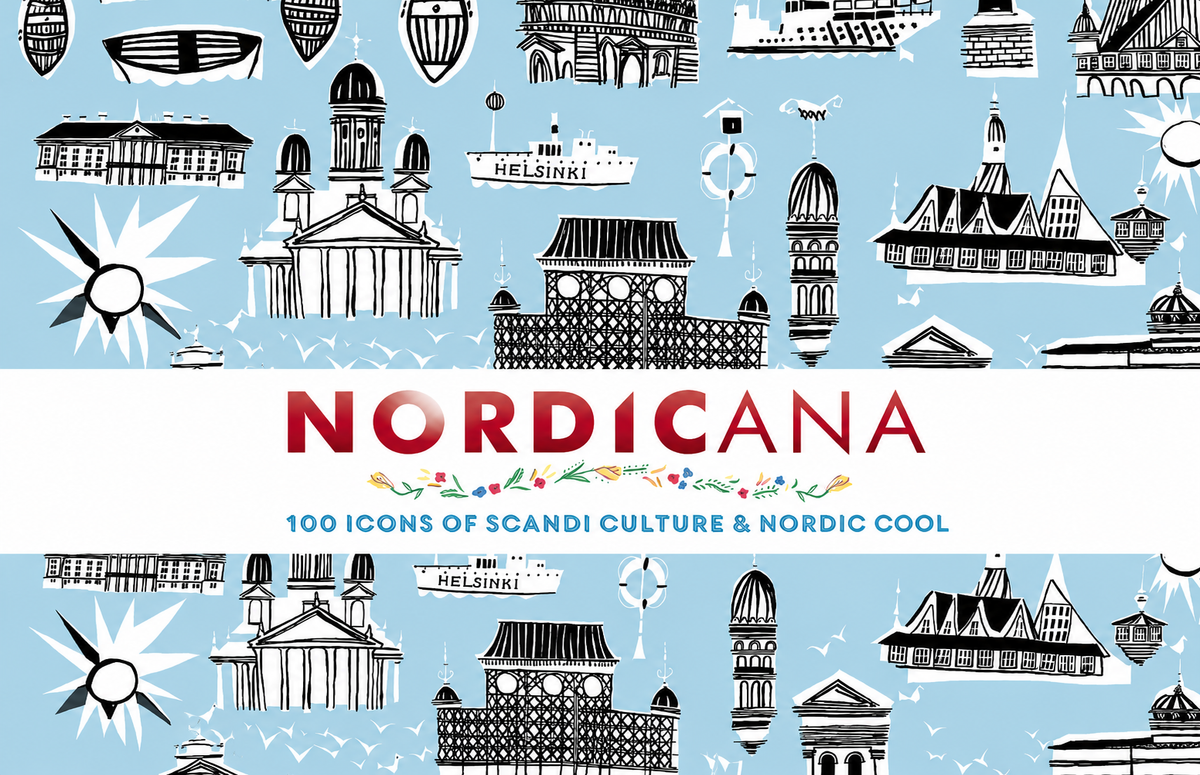
When I wrote Nordicana: 100 Icons of Scandi Culture & Nordic Cool, I wanted to explore the deeper cultural identity of the Nordic world and move beyond the stereotypes that so often define Scandinavia internationally. Nordic culture is frequently reduced to minimalist furniture, candlelit interiors, knitwear and crime dramas, but for me, the Nordic experience has always been far more layered, emotional and rooted in my own history. Writing this book became an opportunity to examine not only the aesthetics of Scandinavia but also the philosophies and traditions that continue to shape Nordic life today.
My connection to the subject is deeply personal as I grew up in Älmhult, the small Swedish town where IKEA was founded, and design was part of everyday life from the beginning. My father worked as a designer for IKEA, while my sister began as a young photo lab apprentice and later became one of the company’s head photographers. Creativity, functionality and Scandinavian design principles surrounded me throughout my childhood as my three sisters and I often sat around the kitchen table and watched my father draw intricate, yet functional designs and patterns. I witnessed firsthand how Swedish design was never simply about appearance; it was about improving daily life through simplicity, practicality and accessibility. Those values became central to my understanding of Nordic culture and strongly influenced the direction of Nordicana's content.
Rather than creating a conventional history book, in collaboration with the book editor, I structured Nordicana as a journey through 100 cultural icons that together form a portrait of the Nordic tradition, imagination, and innovation. I wanted readers to move freely through the book, discovering unexpected connections between our mythology, architecture, literature, food, politics, fashion and contemporary design. Each entry reveals something about the Nordic relationship with nature, spirituality, community and identity.
One of the themes I found most compelling while writing the book was the Nordic relationship with light and landscape. In our countries, shaped by long, dark winters and dramatic seasonal changes, there is a heightened awareness of the atmosphere and our environment due to the fact that we very often find ourselves outmastered by it! This connection influences everything from our community spirit, many or our traditions, and social customs. Concepts such as “hygge” in Denmark or “lagom” in Sweden are not simply lifestyle trends exported to the rest of the world; they are cultural responses to our strongly seasonal climate, our need for balance and the importance of mental and physical wellbeing. By writing Nordicana, I wanted to show the readers that these ideas emerge naturally from Nordic life rather than existing simply as polished marketing concepts.
As the book unfolds, readers will encounter ancient Viking craftsmanship and mythology beside modern sustainability movements, Scandinavian modern cinema and
theatre beside longstanding Sámi traditions, and Nordic noir in both TV and film, beside classic and sleek Nordic furniture design. I have always been fascinated by the balance our Nordic societies maintain between preserving tradition and embracing innovation. That tension between old and new, austerity and warmth, restraint and creativity, defines much of our Scandinavian culture and way of living.
I also wanted to examine the reasons why Nordic culture has become so influential and impactful internationally. Scandinavian aesthetics have and continue to shape many global trends in architecture, fashion, literature and lifestyle. Yet beneath the clean lines and understated beauty lies a deeper cultural framework built around equality, tradition, craftsmanship, social trust and closeness to nature.
Ultimately, Nordicana is both a celebration and an exploration of the Nordic spirit. Through the book, I hoped to invite readers to look beyond the surface of Scandinavian cool and into the philosophies, histories and human stories that continue to define the Nordic world.