Science-Europe
Creative Use of Ai - Opportunities and Boundaries
AI is reshaping how we create, raising real questions about copyright, rights and responsibility along the way. Manuela Hofer asks where the boundaries should sit, and argues that the future lies in collaboration, not replacement.
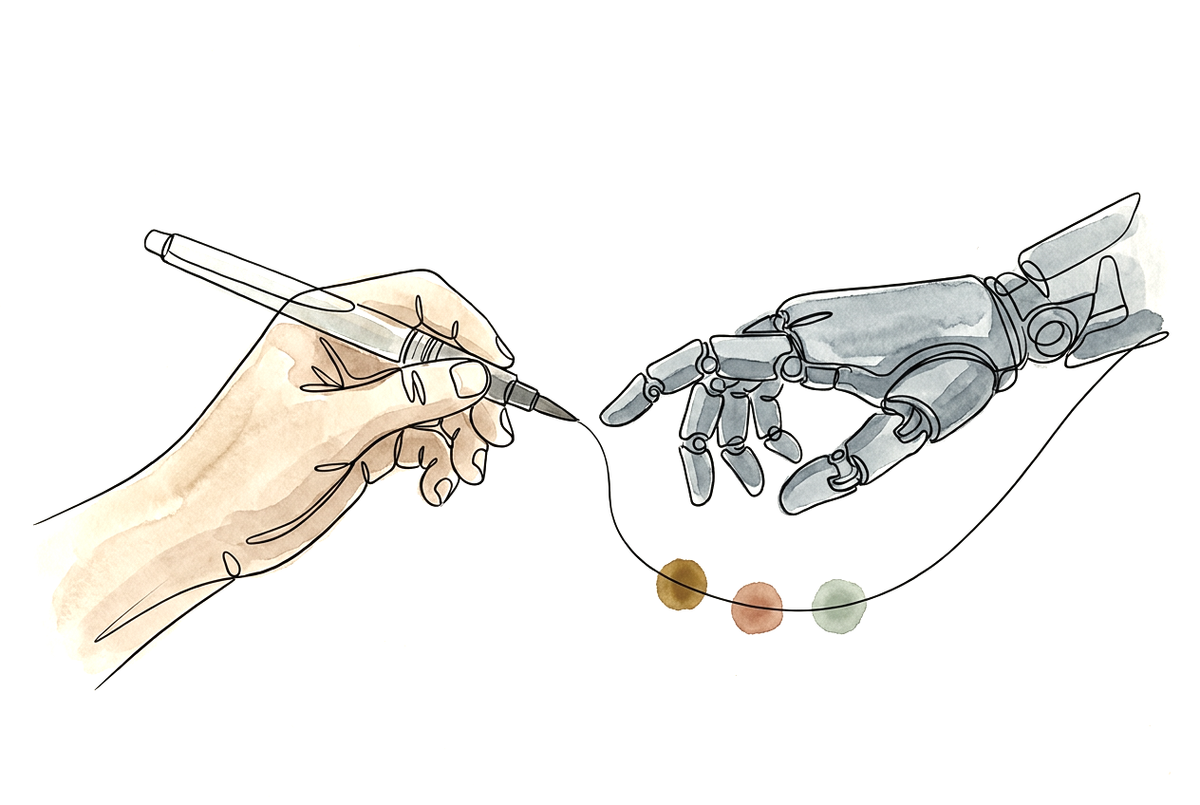
Until now, AI image and video models have been trained on datasets consisting of millions of images from the internet, including artworks, photographs and graphics. This has sparked considerable debate among artists, photographers and rights organisations. In Norway, organisations such as the Norwegian Visual Artists Association (NBK) and the Norwegian Association of Professional Photographers (NFF) have expressed concern that AI models undermine artists’ control over their own works and their economic rights. Similar debates are taking place internationally, particularly in the United States and the EU, where copyright legislation is being challenged by emerging technologies. A key question is whether training AI on copyrighted material without permission can be equated with illegal copying or plagiarism.
Some technology developers argue that training AI on large, open datasets is necessary for innovation, and that such datasets often include images published in the public domain or under open licences. This illustrates the dilemma between technological progress and protecting creators’ rights.
Another aspect of the debate is that humans themselves are inspired by existing works when creating art, for example in the style of Rembrandt, Picasso or Dalí. We are all inspired by something. What we create may resemble something already existing in the world. We cannot stop creating and being creative because of that, nor should we stop exploring new tools and aids in our creative process.
A possible turning point has arrived with the video model Marey, which has been trained exclusively on licensed material. Some may call it an ethical AI model. This changes the debate considerably. The model has been fed content for which rights holders have given permission, and are being compensated. This represents a paradigm shift that artists, legal experts and public commentators alike should applaud.
Copyright, Responsibility and Ethics
The broader debate surrounding AI and creativity also encompasses copyright, responsibility and ethics. AI models produce content that may contain elements from original works, and it remains unclear how copyright laws should apply when machines contribute to the creative process. However, AI does not directly copy works. It creates something new that has never existed before. The situation becomes more nuanced when AI is used as a tool.
In Norway, the Data Protection Authority and the Media Authority have both highlighted questions of privacy and accountability in the use of AI, and the Ministry of Culture and the Digitalisation Agency have initiated studies on the need for regulation. At European level, the EU’s AI Act focuses on transparency and risk, and on the labelling of AI-generated content: measures intended to maintain consumer trust and uphold ethical standards.
Another important aspect is responsibility. When AI produces incorrect or misleading content, who should be held accountable? Researchers and experts emphasise that future regulation must be flexible, technologically neutral and ethically grounded. In practice, this means clearer rules on copyright compensation in AI training, the labelling of AI-generated content, clarity over who is responsible when something goes wrong, and ethical guidelines that protect diversity and prevent bias. And it raises the oldest question of all: who owns the rights to a work generated by AI, and how should the artist’s contribution be valued when AI is part of the process?
AI as Collaborator, Not Threat
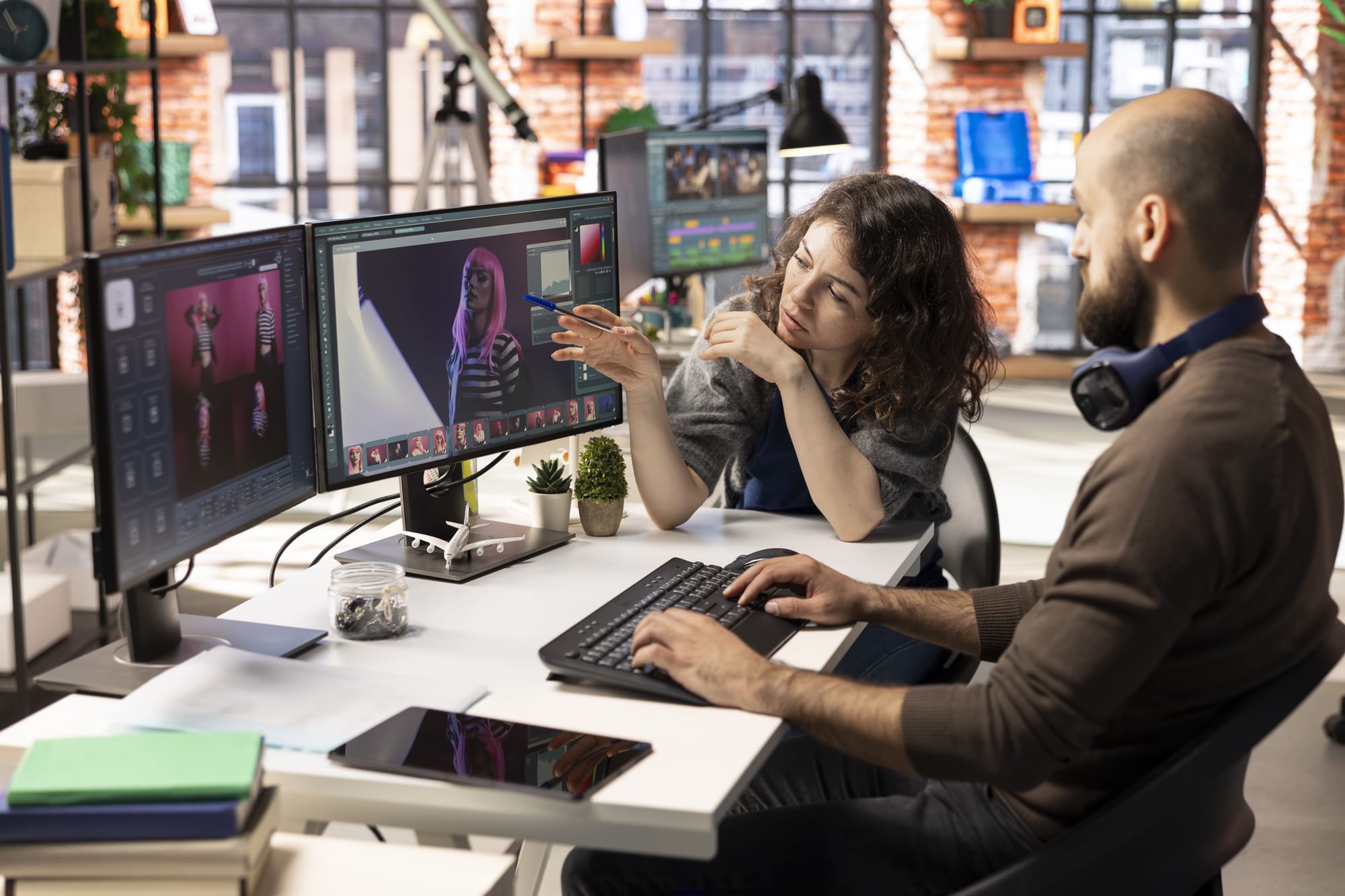
Across disciplines, AI is changing not only how we work, but also how we create and experience art and culture. Research in creative technologies suggests it is not a threat to human creativity but a powerful supplement. In her paper Creativity and Artificial Intelligence (Boden, 1998), Margaret Boden argues that AI can expand human creative capacity by offering new perspectives and increasing productivity in creative processes. Earlier models such as GPT-4 and DALL·E already showed how machines can work alongside humans, where human intuition and machine analysis go hand in hand. AI does not replace the artist. It functions as a creative collaborator, a way to experiment with new ideas more quickly, break through creative blocks, and explore forms of expression that were previously unimaginable or too time-consuming.
The challenges sit alongside the opportunities. Several academic communities warn that AI could undermine human creativity if too much control is handed over to algorithms. Will increased automation in the creative industries lead to job losses? How can diversity and cultural identity be safeguarded? And because AI can generate harmful, misleading or offensive material, clearer frameworks defining acceptable use are needed.
Where Should the Boundaries Be Drawn?
There is no single simple solution, but many international forums and academic communities stress the importance of balanced regulation that both promotes innovation and protects rights. These questions are not merely legal or technological, but also cultural and philosophical. How do we preserve the human voice in a time when machines can “create”?
AI both challenges and expands the boundaries of creative work. But technology alone is not enough. It is the interaction between human experience, critical reflection, intuition, vulnerability, spontaneity, wonder and artificial intelligence that will define creativity in the years to come. AI is an exciting tool that can enrich artistic expression and open new possibilities, but like all technology it requires awareness, professional insight and ethical reflection. The debate is not about choosing one or the other, but about how society can create sound frameworks that ensure both artistic freedom and responsibility. By understanding both the potential and the limitations, we can build a creative future where technology extends the human voice rather than replacing it.