
Science-Nordic
The Whale: a Living Monument to The Arctic Ocean
As Norway’s new northern landmark takes shape, a central question emerges: will Andenes get a world-class marine research centre, or just a high-budget tourist attraction?
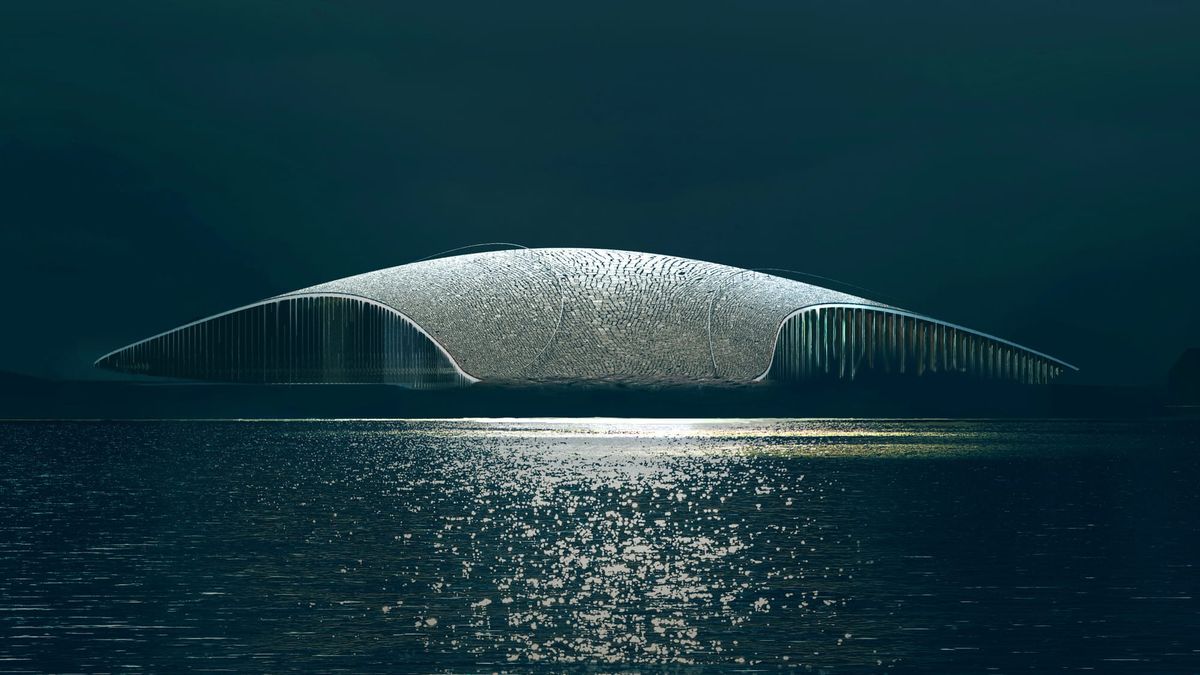
Construction is underway on Norway's northern coast, where a whale-shaped roof of stone and glass is rising from the rocks of Andenes. Designed by the Danish architect Dorte Mandrup, the centre combines whale watching, marine research and Nordic landscape design — and raises a fair question, one the project's own materials don't answer: does a landmark like this actually advance marine science, or is the architecture the story, with science serving as a supporting narrative?
Known as The Whale, the visitor and research centre in Andenes has been more than a decade in planning. Mandrup’s studio won the international design competition in 2019 against prominent firms including Snøhetta, BIG, and Reiulf Ramstad. Construction on the rocky shore began in 2026, with an official opening scheduled for 4 June 2027.
Architecture and Infrastructure
Located near the Bleik Canyon — one of the world's most accessible deep-water areas for observing sperm whales — the facility is designed to integrate visually with the terrain. The curved concrete roof, finished with locally sourced stone, functions as an accessible viewing platform over the Norwegian Sea.
Mandrup works alongside landscape architect Marianne Levinsen, with exhibition design led by Ralph Appelbaum Associates and Tamschick Media+Space, and construction handled by Norwegian contractor Hent. While the design draws on Scandinavian traditions of low-profile integration into natural landscapes, its sheer scale also marks a significant physical intervention in the coastal environment of Andenes.
Video: The Whale AS (via YouTube) · www.thewhale.com
Research vs. Destination Marketing
Behind the structural design lies a broader institutional dilemma. At a time when Arctic ecosystems face pressure from climate change, ocean acidification, and shifting migration patterns, The Whale positions itself as a site of environmental education.
The waters off Andenes have supported long-term academic studies on marine mammals for decades. However, transforming a research environment into a high-capacity international tourist destination introduces inherent tensions. Critics and local observers point out that the commercial demands of visitor volume, ticket sales, and souvenir retail can easily overshadow the slower, less spectacle-driven reality of field research. Whether the research capabilities inside the centre receive meaningful funding — or simply serve as a background narrative for a prestige tourism project — remains a subject of debate among critics.
The Broader Arctic Context
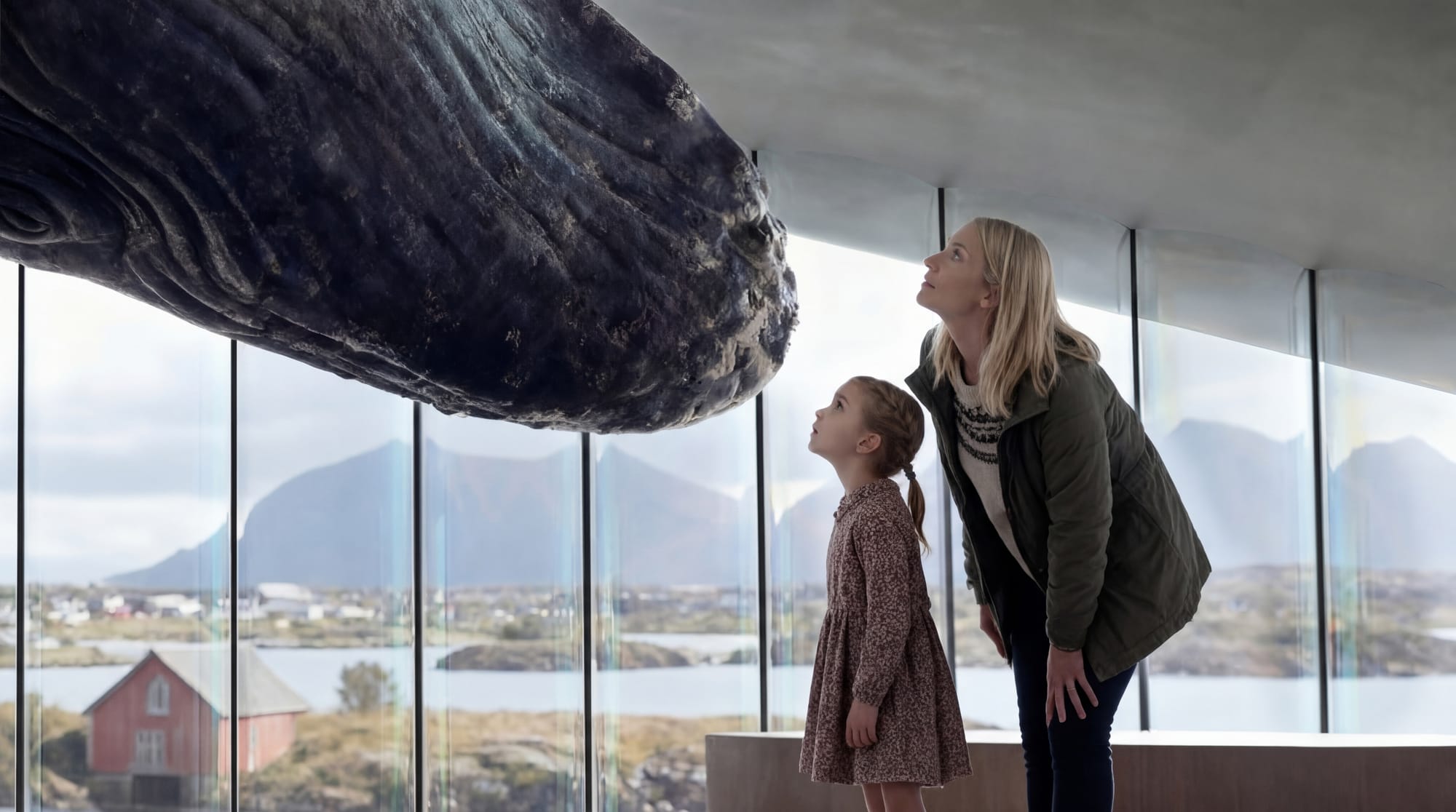
When it opens in 2027, The Whale will test whether regional development in Northern Norway can meaningfully balance mass tourism with scientific integrity. If the project succeeds, it may provide a viable model for public communication of marine research. If it fails to prioritize research funding over visitor experience, it risks becoming another high-budget piece of destination architecture set against a fragile ecosystem.