Brief
PWN GLOBAL SUMMIT 2026
From a small circle of women in Paris to a global network spanning 26 cities, PWN Global marks its 30th anniversary in Lisbon with a summit focused on collaborative intelligence, leadership, and the future of women’s advancement.
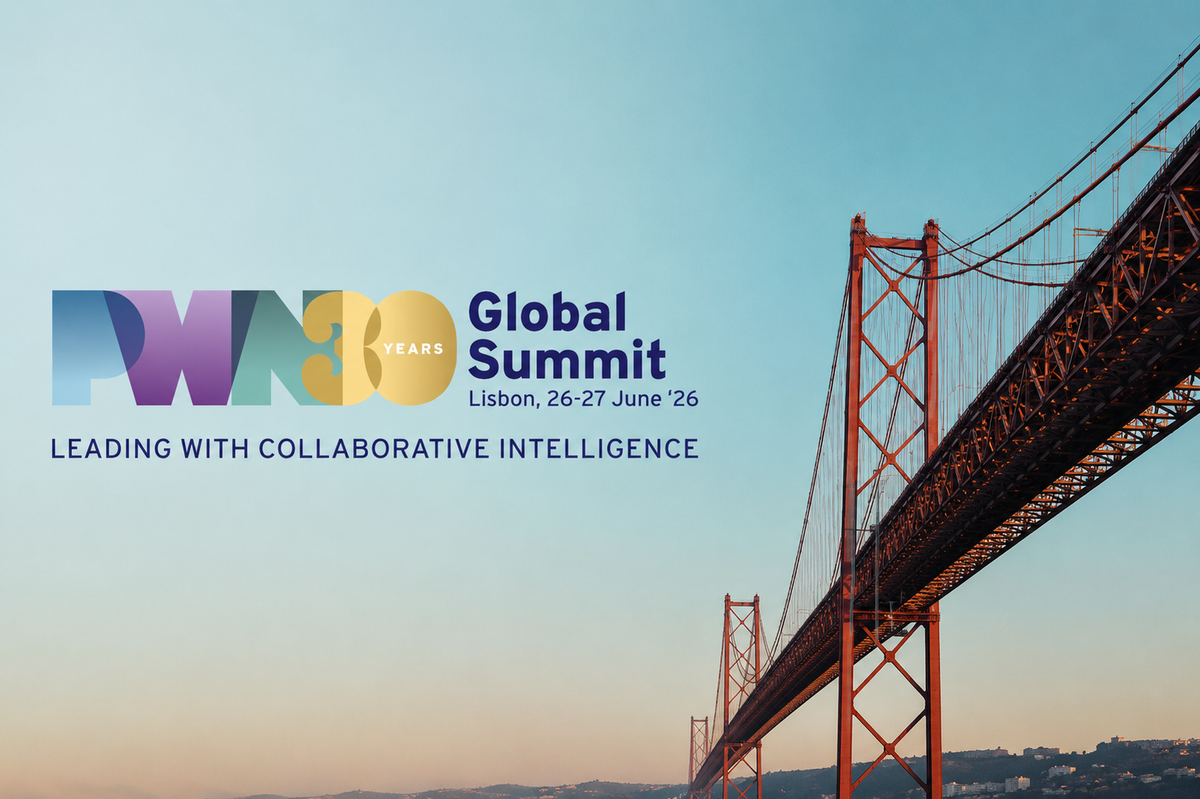
In June 2026, twenty-six cities will converge on a single point on the map — Belém, the Lisbon district from which Europe once set sail into the unknown. A coincidence, of course, but a fitting one: the PWN Global Summit lands in the very place that taught a continent to look beyond the horizon.
I'm not going for a conference. There are enough conferences. I'm going because over thirty years PWN has become what people now fashionably call an ecosystem — and what is, in practice, a far rarer thing: a community that actually works. Three thousand three hundred members, ninety nationalities, twenty-six cities.
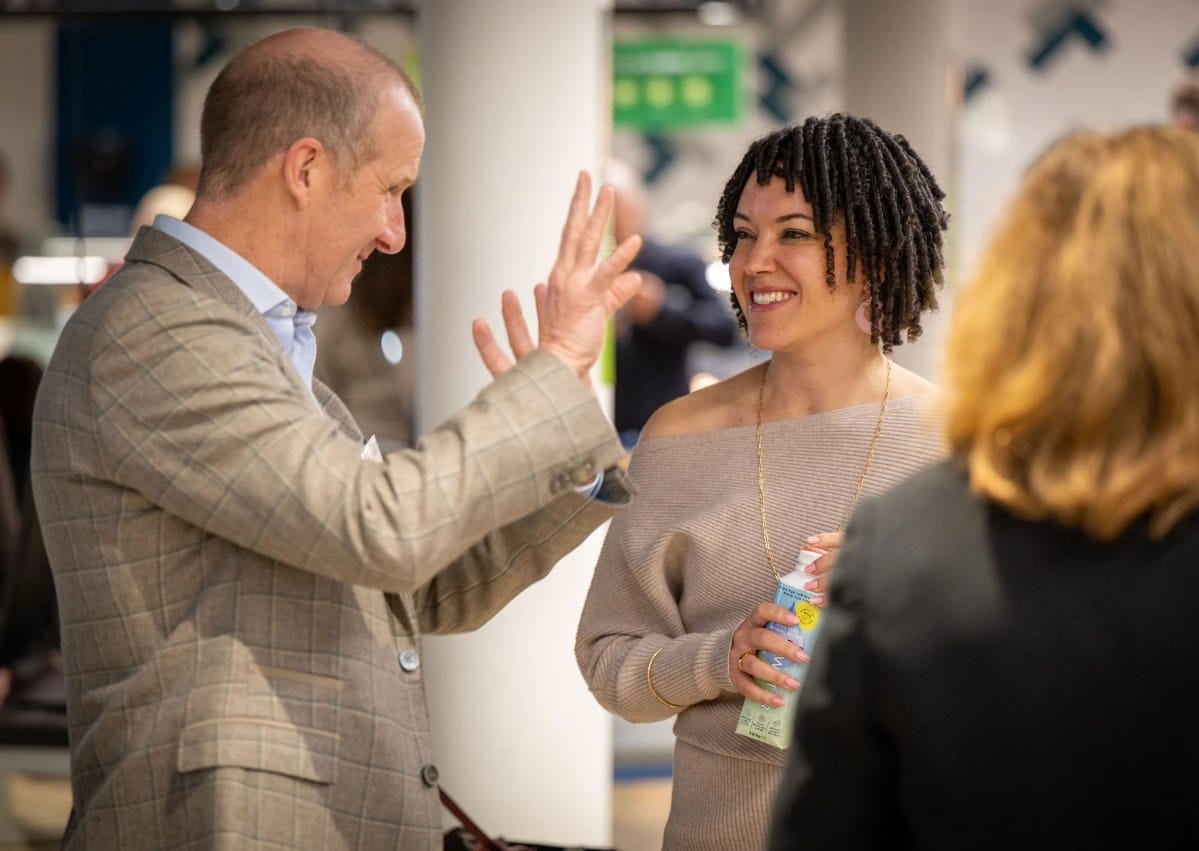
The numbers look good on a slide, but behind them are specific women who, on a Monday evening in Milan, Warsaw or Istanbul, show up to events, trade contacts, and pull each other forward. Those are the women who will be in Lisbon. Not abstract "leaders" — colleagues we message in group chats and call between time zones.
The summit's theme is Leading with Collaborative Intelligence. In a world where geopolitics can rewrite contracts over a weekend and technology reshapes professions faster than we can update our CVs, no one solves anything alone anymore. Networks solve things. The people who come out ahead are the ones who can gather smarter people around them and not feel threatened by it.
Power
Geopolitics and geoeconomics — the context in which we now make every decision.
Progress
Corporate transformation and technology as an amplifier, not a replacement.
People
Leadership across cultures, new careers, new identities.
The line-up makes the theme concrete. Under Power, the retired NATO general Carlos Branco opens the floor and Ambassador Simona Mirela Miculescu — former President of the UNESCO General Conference — sets the tone, with a keynote from Dato' Dr Munirah Looi on building legitimate power across boardrooms and governments. Under Progress, the hard conversation about algorithmic bias seats a Microsoft cybersecurity architect, Nadia Aimé, beside the sustainability scientist Dr Audrey-Flore Ngomsik. And under People, Samira Rafaela — the former MEP who negotiated the EU's Pay Transparency Directive — shares the programme with Oslo's own Dr Anthony Giannoumis.
Thirty years is a serious age for an organisation that began, in 1996, as a small circle of women around a table in Paris — one of them, Avivah Wittenberg-Cox, returns to Lisbon to close the summit with a keynote on the power of longer lives. The summit isn't simply a celebration of three decades — it's PWN's clearest statement yet about where leadership has to go next.
What am I expecting from these two days? Not the insights on stage; you can read those in any report afterwards. I'm expecting the conversations in the breaks. Women running billion-euro budgets and women who launched their own thing last quarter, in the same room — that's a rare chemistry.
I'm expecting the chance encounter that becomes a project six months later. And I'm expecting the particular feeling PWN exists for: the quiet realisation that you are not alone in your profession, your country, or your decade.
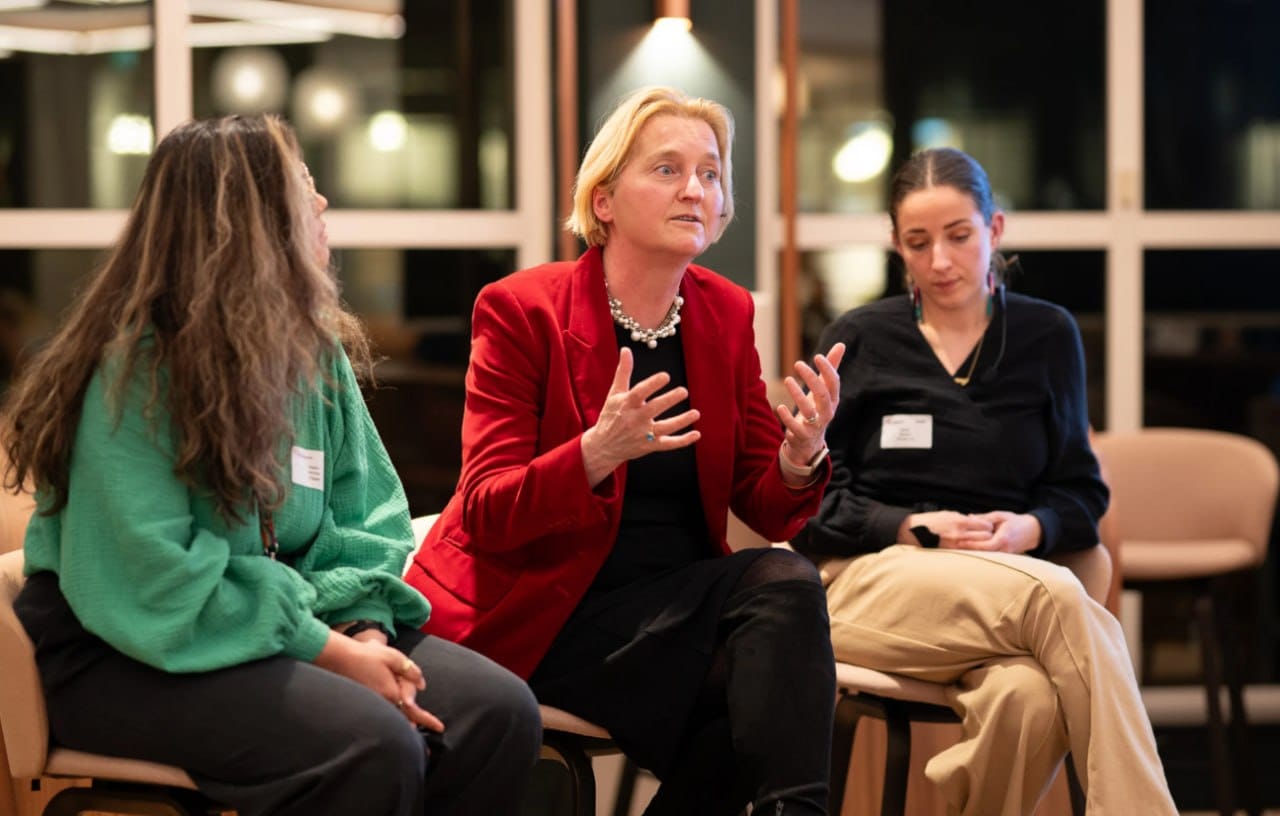
Collaborative intelligence isn't a theory. It's what three thousand women across twenty-six cities already do every week. This June, in Belém, a few hundred of them make that network visible to everyone else.
See you in Belém.