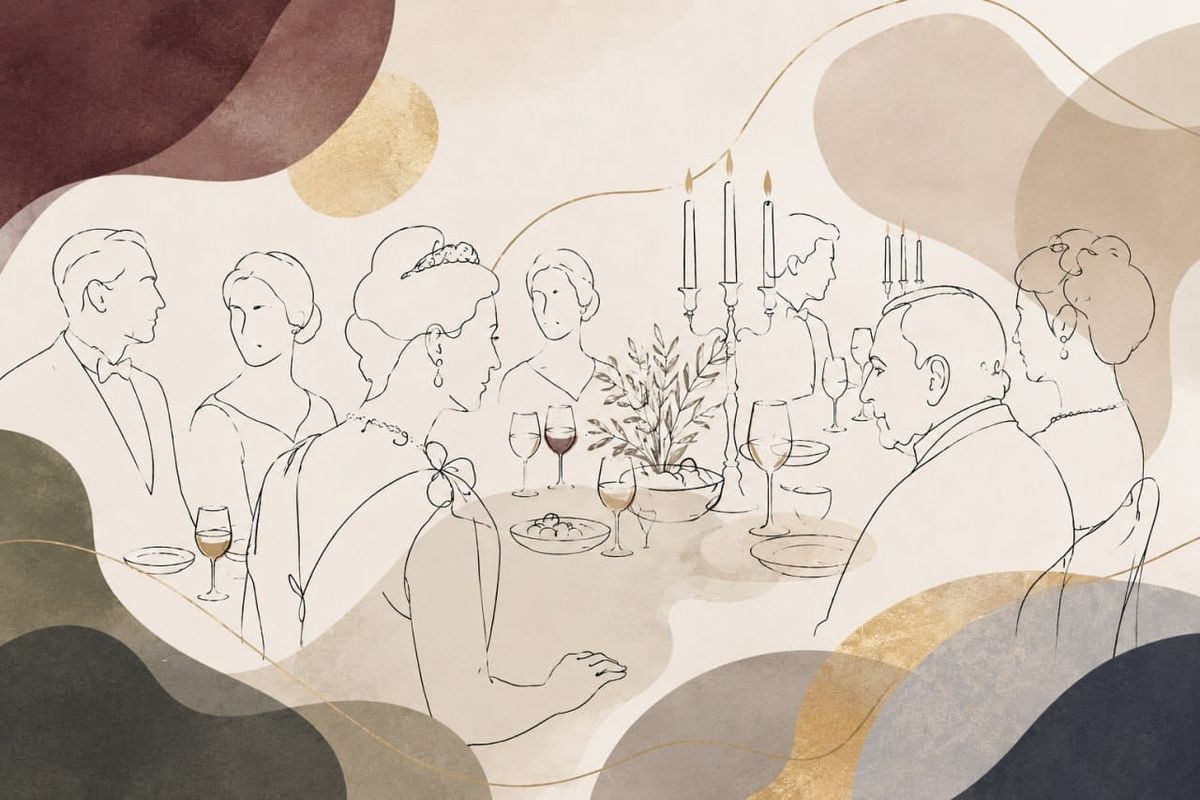
Whenever I mention the word etiquette, I often notice the same reaction. People immediately think of formal dinners, polished silverware, and the mystery of which fork to use first. Some imagine strict rules and outdated customs.
But etiquette has never meant any of those things to me.
For me, etiquette is something far more meaningful. It is about respect. It is about kindness. It is about being aware of the people around us and understanding how our words, actions, and presence affect them. At its heart, etiquette is not about perfection—it is about making others feel comfortable, valued, and respected.
The story of etiquette begins long before royal palaces and elegant dining rooms. Its roots can be found in one of humanity's oldest desires: the desire to live together in harmony.
More than 2,500 years ago, the Chinese philosopher Confucius taught a simple principle that remains as powerful today as it was then:
"Do not do to others what you would not want done to yourself."
This idea became one of the foundations of respectful human interaction and continues to influence how we relate to one another today.
The word etiquette itself has a fascinating history. It comes from the French word étiquette, meaning a label or ticket. During the reign of King Louis XIV, signs were placed throughout the gardens of Versailles to guide visitors and remind them where they should—and should not—walk.
Over time, these practical instructions evolved into a broader system of social behaviour. The French court became known for its refined customs and protocols, helping shape many of the etiquette traditions that later spread throughout Europe.
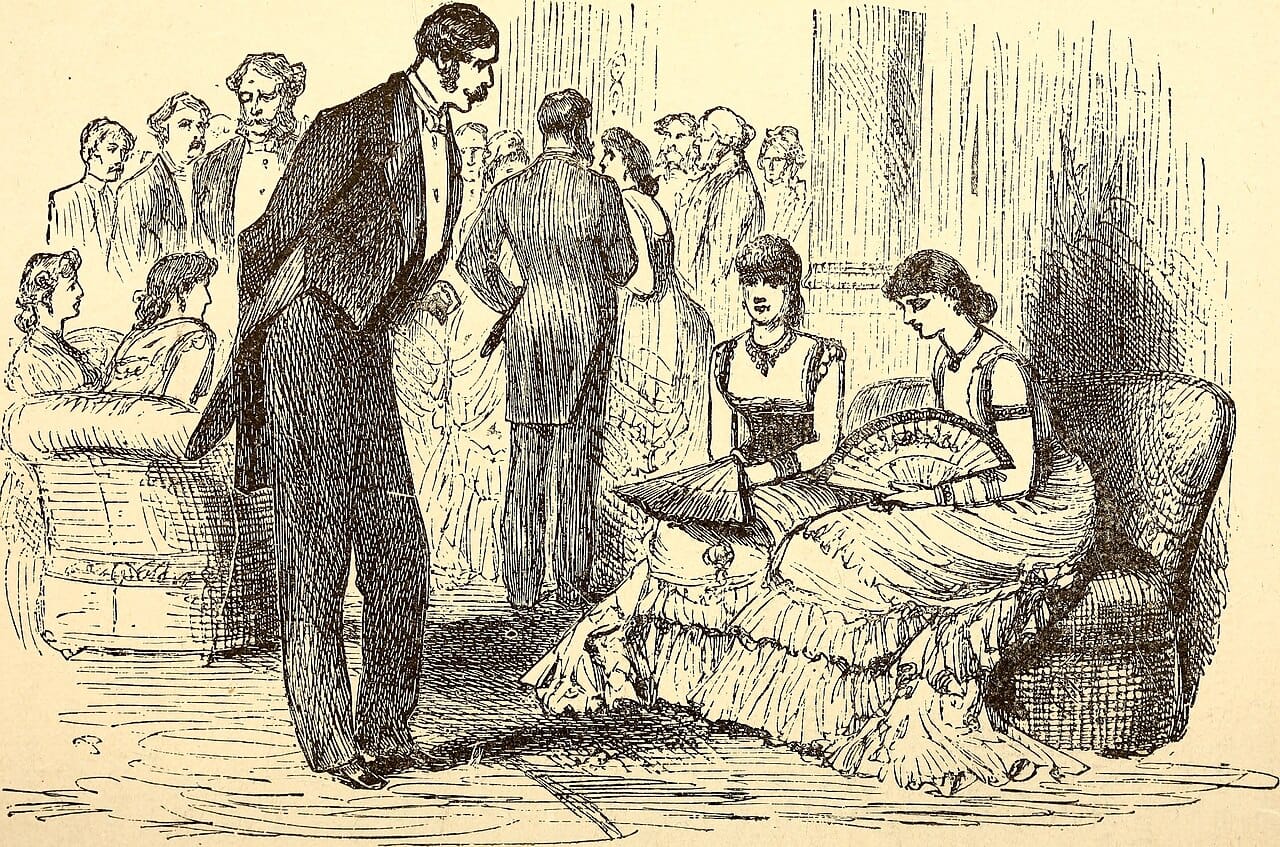
As societies evolved, so did etiquette. During the Victorian era, it became associated with introductions, dress codes, correspondence, table manners, and social customs. Etiquette served as a social language, helping people navigate increasingly complex social environments.
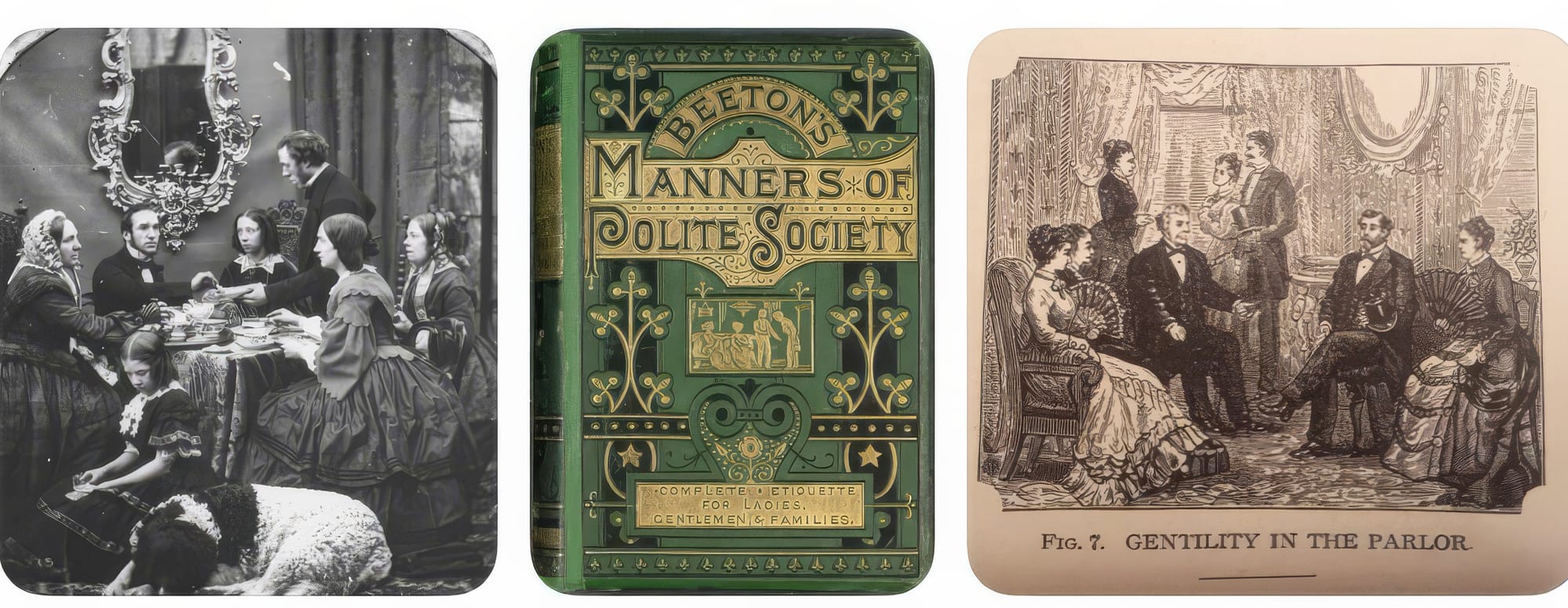
Today, we live in a world that moves faster than any generation before us could have imagined. We send emails instead of letters, participate in virtual meetings across continents, and communicate through screens more often than through face-to-face conversations.
Yet despite all these changes, one truth remains constant:
People remember how we make them feel.
Throughout more than twenty years of teaching etiquette, communication, and professional presence, I have witnessed remarkable transformations. When people learn how to present themselves with confidence and kindness, something shifts. They stand taller. They communicate more clearly. They feel more comfortable in their own skin.
Most importantly, they begin to recognise their own value.
This is why I believe etiquette is not an old-fashioned rulebook. It is a life skill. It helps us build relationships, open doors, navigate challenges, and move through both personal and professional life with confidence and grace.
Perhaps that is why etiquette has survived for thousands of years. The rules may change. The customs may evolve. But the message remains timeless:
Respect others. Respect yourself. Bring your best presence into every situation.
In a world that can sometimes feel rushed, distracted, and impersonal, kindness, respect, and good manners are not relics of the past. They are among the most powerful tools we possess.
And today, they matter more than ever.