
Culture-Europe
Venice Biennale 2026: In Minor Key
The 2026 Venice Biennale arrives at a moment when culture faces growing pressure across Europe. Guided by Koyo Kouoh’s vision, *In Minor Keys* explores how art, memory, and imagination help societies navigate uncertainty and change.
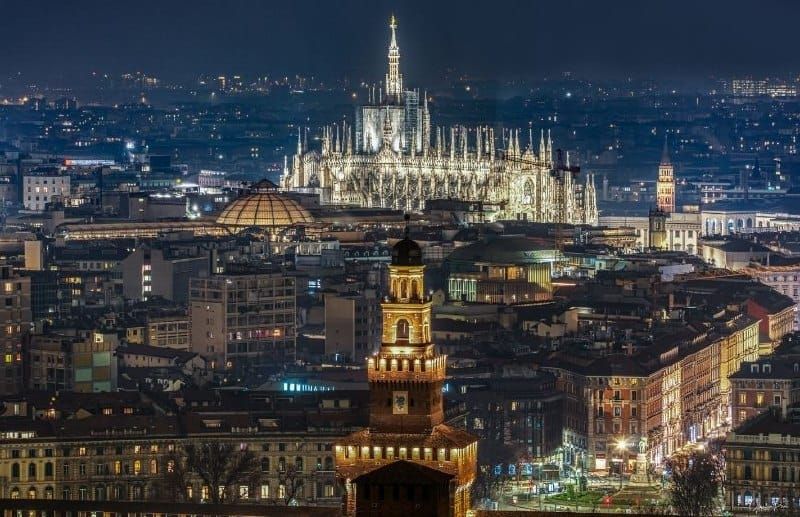
Every two years, Venice stops being just a city and becomes something harder to define — part stage, part laboratory, part confession. The canals fill with art world insiders, but also with people who simply feel that something important is happening and want to be near it. That instinct is rarely wrong.
The 61st International Art Exhibition runs from 9 May to 22 November 2026 across the Giardini, the Arsenale, Forte Marghera, and locations scattered throughout the city. Its title — In Minor Keys — was chosen by Koyo Kouoh, the Cameroonian-born curator who died unexpectedly in May 2025, only weeks before she was due to present her vision to the world. Rather than replace it, La Biennale decided to carry that vision forward exactly as she had conceived it.
"She was not offering retreat from the world's noise. She was proposing a different way of listening to it."
Listening in a Different Key
The phrase comes from music. The minor key carries associations of blues, whisper, lament, memory, and quiet resistance. Yet Kouoh refused to leave it there. In her curatorial text she wrote about tuning in to "the lower frequencies, the hums, the consolations of poetry." Rather than asking audiences to escape reality, she invited them to engage with it more carefully.
More than 110 artists and collectives participate in the exhibition. Its final shape was mapped during a gathering in Dakar in April 2025 at RAW Material Company, the cultural centre Kouoh herself founded. Members of her team later described the experience simply: "We could hear the music she so gracefully composed with us, under the generous guardianship of the mango tree."
Culture Under Pressure
The timing of this edition feels significant. Earlier this year, Culture Action Europe and more than thirty European cultural networks sent an urgent letter to the European Council calling for the reversal of proposed €27.56 million cuts to the Creative Europe Programme. Today, culture represents just 0.2% of the total EU budget.
The message was difficult to ignore: culture continues to be treated as decoration rather than infrastructure. Yet throughout Europe, artists, institutions, and communities continue to demonstrate how essential creative work remains to public life.
Italy Keeps Showing Up
Italy has offered several reminders this year of what culture can look like when a country remains confident in its creative identity. In February, the Milano Cortina 2026 Winter Olympics Opening Ceremony unfolded across two cities simultaneously, connecting Milan and Cortina d'Ampezzo in real time through music, performance, and national storytelling.
In May, Sal Da Vinci carried Italy to fifth place at Eurovision 2026 in Vienna with Per sempre sì, selected through the long-standing Sanremo Festival. And now Venice opens its doors once again for six months of contemporary art.
There is something quietly reassuring about that continuity. Amid budget cuts, political uncertainty, and cultural anxiety, Italy continues to invest in beauty, elegance, and public imagination. Not as nostalgia, but as a belief that culture still matters — and that it belongs to everyone.
"The work of making meaning, building community, and imagining alternatives is not a luxury. It is how societies survive difficult periods."
Why It Matters
Against this backdrop, In Minor Keys arrives as something quietly political. It does not rely on slogans or manifestos. Instead, through more than 110 artistic practices from around the world, it asks visitors to pay attention to voices, stories, and experiences that often exist outside the centre of public conversation.
For those working in cultural and creative industries, that argument feels personal. Many have experienced shrinking budgets, shorter contracts, closed venues, and postponed projects. The Biennale, with all its prestige and international visibility, can sometimes appear distant from those realities.
Yet Kouoh's vision encourages a different perspective. It asks us to look toward the margins — toward the artists, communities, and cultural workers who continue creating not because conditions are favourable, but because they cannot imagine doing otherwise. In that sense, In Minor Keys is not simply an exhibition. It is a reminder of why culture continues to matter.