Culture-Nordic
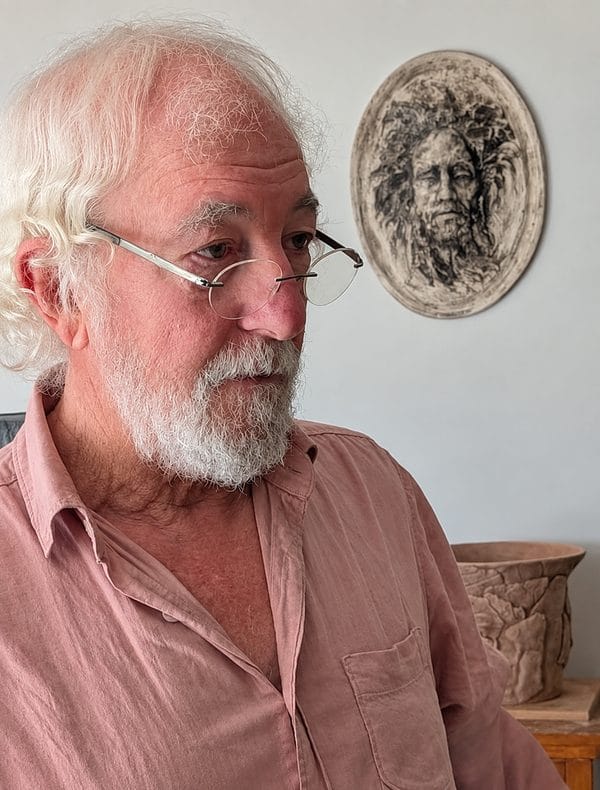
Bruce Naigles — The Sculptor of Human Nature
A Norwegian sculptor works against the grain of Scandinavian abstraction, casting figures that are unmistakably human, asking what we owe the person standing next to us.
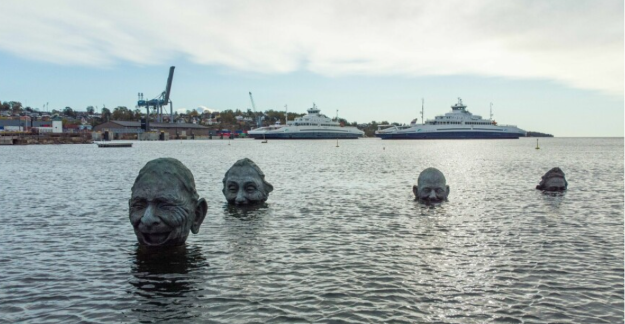
If you travel through Norway and visit the town of Moss, you will see giant bronze heads emerging from the sea. These are Keepers of the Faith — faces of people who, despite hardship and war, have preserved their ability and desire to remain joyful.
Welcome to the world of Bruce Naigles, where every sculpture is a call for humanity, compassion, mutual support, and love for one another.
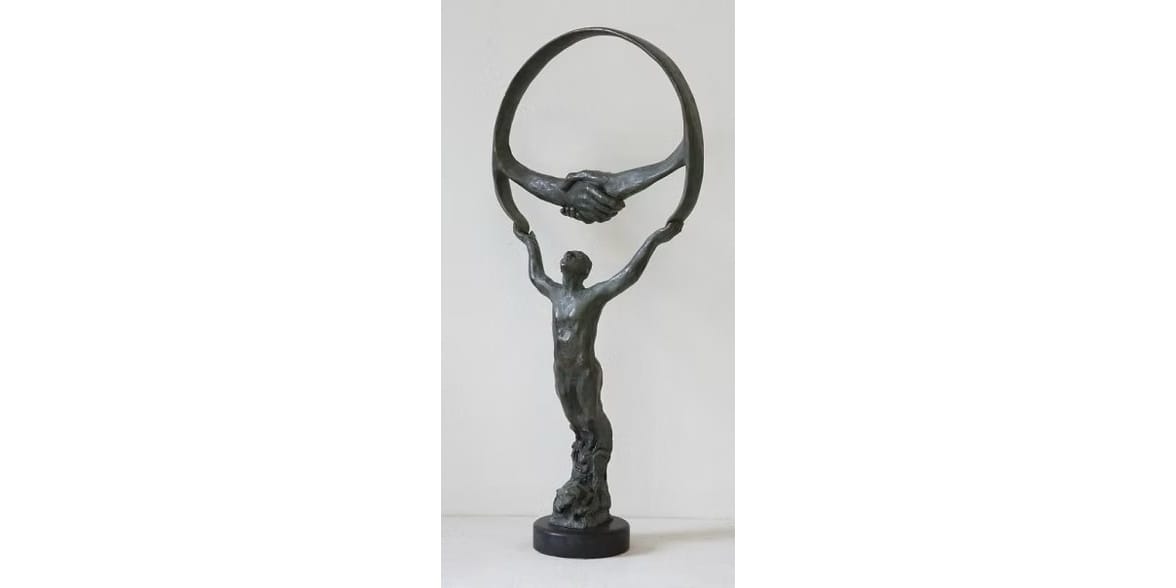
One of his best-known works, The Just Man, is presented every May as the sculpture awarded to the recipients of the Oslo Business for Peace Award.
A single figure lifts the "Wheel of Life", an unfinished circle crossed by what Naigles calls "the handshake that obligates" – a reminder that ethical responsibility must be carried forward by each of us, again and again.
Faith in cooperation, solidarity, and human connection is the central principle of Bruce Naigles' artistic philosophy. He believes that sculpture is a language — a reminder that people are deeply connected through their relationships with one another.
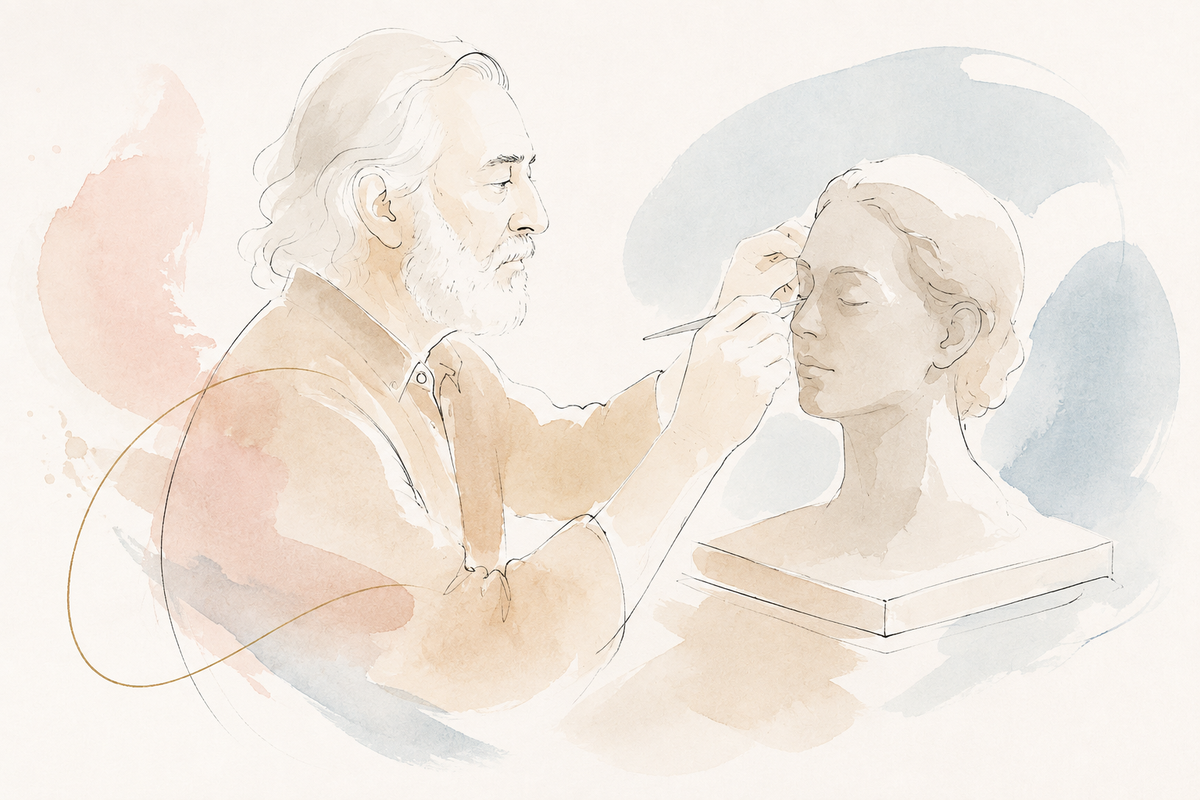
His studio in Moss, open to visitors, is filled with sculptures, prototypes, and unfinished works that seem almost alive. Every piece carries meaning, personal stories, life experiences, and an ongoing intellectual dialogue captured in bronze.
Bruce Naigles has lived a remarkable life without ever pursuing fame. Born in the United States into a Jewish family with roots in Eastern Europe, he grew up with a loving and supportive mother, for whom he still speaks with deep affection.
Like a true independent artist, Bruce travelled the world, studied art, and began his sculptural journey in Italy.
He later became the recipient of the Bedi-Makky Foundry Prize from the National Sculpture Society in the United States, exhibited at the Florence Biennale, and spent five years apprenticing under the renowned Norwegian sculptor Per Ung, one of Norway's leading figurative artists.
Yet despite international recognition, he remains an exceptionally humble, honest, and kind man who quietly supports charitable causes every year to help those in need.
The Girl Who Became Hope
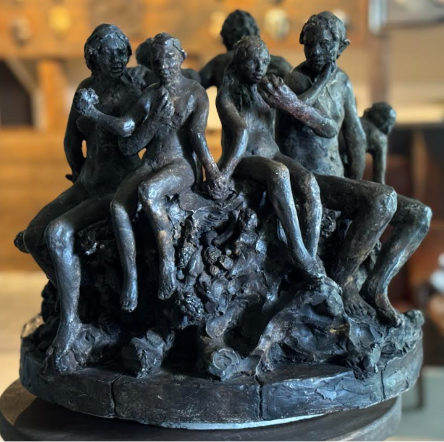
One of Bruce Naigles' most powerful works is Real Eyes Realize Real Lies or A Choice, a sculpture that resonates especially deeply with those who understand, firsthand, the pain of a broken family.
It is inspired by an ancient Jewish parable retold in Nilton Bonder's The Kabbalah of Money.
The story tells of two families living under exactly the same conditions: each person's elbows bend backward, making it impossible to feed themselves.
In one family, everyone thinks only of themselves, condemning one another to suffering. In the other, each person feeds the one sitting beside them — and that simple act creates paradise.
At the heart of the sculpture stands a little girl.
She is the first to realize that another way is possible. A woman from the "family of paradise" offers her food, and gradually the girl understands the meaning of this act.
She then reaches out to feed her own mother, becoming the first person to break the circle of indifference.
For Naigles, that little girl is Hope — the freedom to choose differently and humanity's capacity to change the fate of both a family and society itself.
If this monument is installed where decisions affecting millions of lives are made — near parliaments, international organizations, and other centers of power — it will remind those who make decisions that, even with our shared human limitations, no one is saved alone.