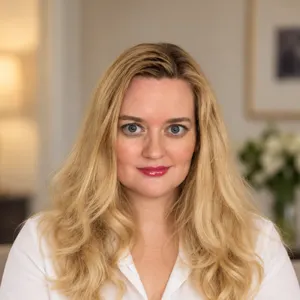
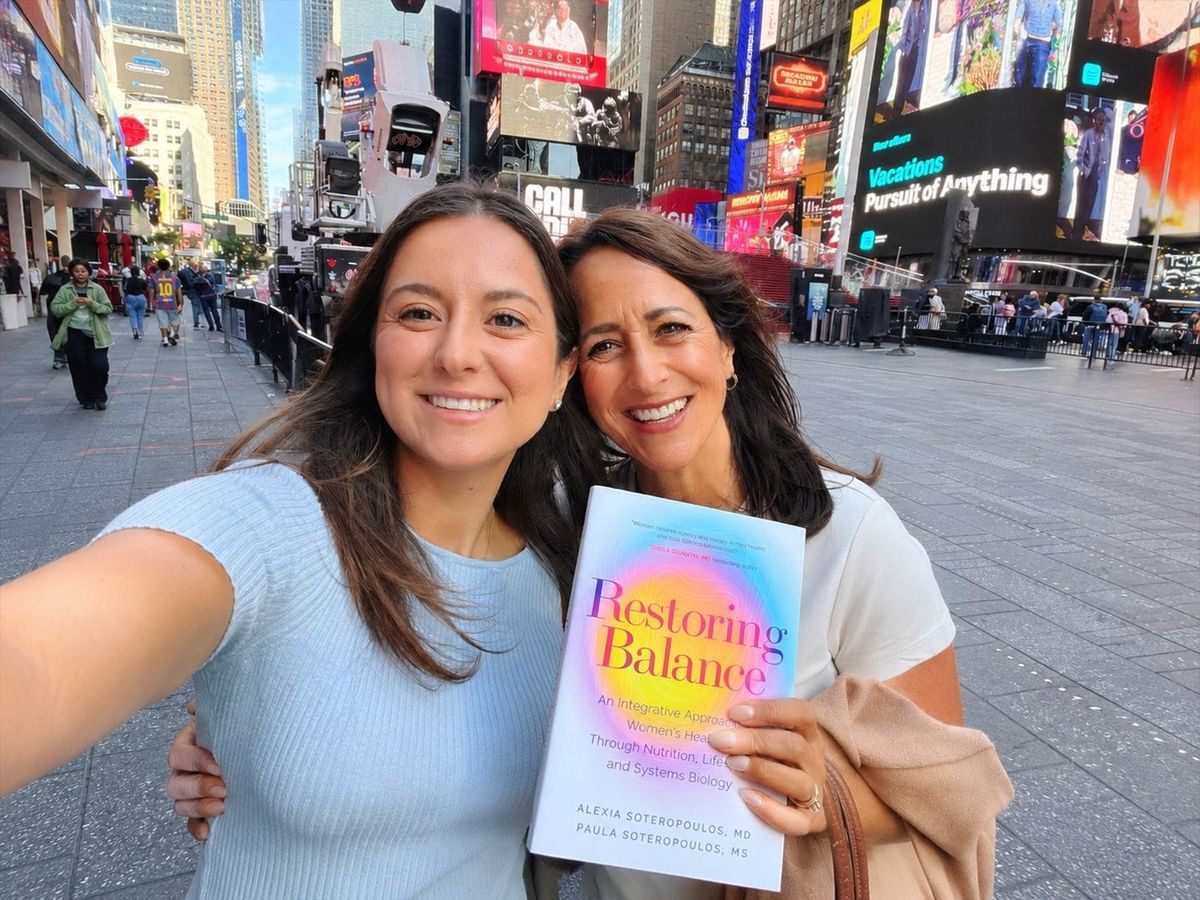
Paula Soteropoulos has spent more than 35 years in biotechnology, as a two-time CEO, board chair and investor bringing new medicines to patients. Her daughter, Dr Alexia Soteropoulos, is a medical doctor trained at Tufts University School of Medicine, with further training in functional and integrative medicine and culinary medicine.
Together they wrote Restoring Balance: An Integrative Approach to Women’s Health Through Nutrition, Lifestyle, and Systems Biology, a book shaped by Paula’s own experience of undertreated conditions and Alexia’s work with women whose symptoms were too often dismissed. We spoke to them about what “normal” really means and how women can take a more active role in their health.
How did the idea for Restoring Balance begin, and what was it like to write it as mother and daughter?
Paula: The idea grew out of our own experiences and the conversations Alexia and I had been having. I’ve spent more than 35 years in biotech, developing therapies for some of the most challenging diseases. Yet despite everything I knew about science and medicine, I struggled to find answers to my own health challenges, including autoimmune conditions and the changes that came with midlife.
Alexia was pursuing medicine through a functional and integrative approach, looking at how nutrition, lifestyle, hormones, gut health and other systems interact. She sees mainly women, because of the complexity of their conditions and years of dismissal in the traditional medical system. We realised how much women could benefit from bringing our two perspectives together.
Writing the book with my daughter has been one of the most rewarding experiences of my life. We’ve always been close, but this gave us a chance to learn from each other in a completely different way.
Alexia: I grew up watching my mother navigate a demanding career while dealing with health challenges that weren’t always easy to explain or resolve. That certainly influenced my path into medicine.
In my own clinical work, I began seeing women with similar stories. They were doing everything they thought they should be doing, yet they still didn’t feel well. Many had been told their symptoms were normal or that their tests looked fine. We wanted to give women a better understanding of their biology and practical tools to take a more active role in their health. And writing together was a lot of fun! We were very aligned in what we believe women deserve from healthcare.
The book opens with the question “What if normal isn’t healthy?” Which symptoms are women most often told are normal, and what might they really be signalling?
Alexia: Fatigue is a big one. So are painful periods, bloating, poor sleep, brain fog, mood changes and weight changes that seem to come out of nowhere. Women are frequently told these are just part of being a woman, getting older or managing stress.
Of course, some changes are part of normal hormonal transitions. But common doesn’t necessarily mean healthy, and it certainly doesn’t mean we should ignore symptoms that affect quality of life. Persistent fatigue, for example, might be related to inadequate sleep, iron deficiency, thyroid dysfunction, hormonal changes or several factors working together. Painful periods can sometimes signal conditions such as endometriosis. The important thing is to be curious about what the body is communicating rather than simply trying to silence the symptom.
Paula: Women have become remarkably good at pushing through discomfort. We’re often balancing careers, families and everyone else’s needs, and we normalise feeling exhausted or depleted. One of the messages we emphasise in the book is that your body is constantly communicating with you. You shouldn’t have to wait until something becomes a serious health problem before paying attention.
“Be curious about what the body is communicating rather than simply trying to silence the symptom.”
Women are disproportionately affected by autoimmune disease, bone loss and chronic inflammation. Why is that, and why has it taken medicine so long to pay attention?
Paula: This is something I feel strongly about, both personally and professionally. We’ve made extraordinary advances in medicine, yet for decades much of our understanding of disease was built around male biology. Women were underrepresented in research, and female hormonal variability was often seen as a complication rather than something essential to study. As a result, there are still significant gaps in our understanding of how diseases develop, progress and respond to treatment in women.
I’ve lived with autoimmune conditions myself, and I was diagnosed with osteoporosis in my early fifties. Those experiences made the gaps feel very personal, even after decades working in healthcare.
Alexia: Female biology is complex, and we need to understand that complexity rather than overlook it. Women have a higher prevalence of many autoimmune diseases, partly because of differences in immune regulation, genetics and sex hormones. Estrogen also plays an important role in maintaining bone health, which is why bone loss can accelerate during the menopause transition. And chronic inflammation can be shaped by many interacting factors, including metabolic health, sleep, stress, immune activity and hormonal changes. We need more research that looks at these connections across a woman’s lifespan, not just at individual diseases in isolation.
Many of our readers have lived in different countries and experienced very different healthcare systems. What advice would you give a woman who feels unheard by her doctor?
Alexia: First, rethink your relationship with your doctor. Healthcare should not be hierarchical, with the doctor above and you below. You should be equal partners in your care. Your doctor brings medical expertise, but you bring knowledge of your own unique body. You know when something doesn’t feel right, even if your test results fall within the “normal” range.
Second, come prepared and be curious. Track your symptoms: when they started, what makes them better or worse, and whether there are patterns. Don’t be afraid to ask, “What else could be going on?” or “Could these symptoms be connected?”
Third, don’t accept being dismissed. If you’re told something is simply part of ageing, stress or being a woman, ask more questions. You deserve to understand what may be driving your symptoms.
Fourth, if you don’t feel heard, you have every right to seek a second opinion or find another healthcare provider. A good doctor should welcome your questions and respect your wish to be an active participant in your health. Ultimately, I want women to recognise that they have far more agency over their health than they may realise.
“You and your doctor should be equal partners in your care.”
Alexia, you are also a culinary medicine coach. What is one simple, realistic change women could make in their daily lives?
Alexia: I would start with breakfast. Many women begin the day with coffee and something sweet, or skip breakfast entirely because they’re rushing out the door. For some women, this can contribute to swings in blood sugar and energy throughout the day. Over time, eating patterns can also influence metabolic health, including how the body regulates glucose and insulin.
One simple change is to build breakfast around protein, fibre and healthy fats: eggs with vegetables and avocado, Greek yogurt with berries, or chia pudding with berries, nuts and seeds. That combination keeps you satisfied longer and supports steadier blood sugar and energy through the morning.
Nutrition doesn’t have to be complicated or perfect. You don’t need to overhaul your entire diet overnight. Start with one meal, make it more nourishing and build from there.
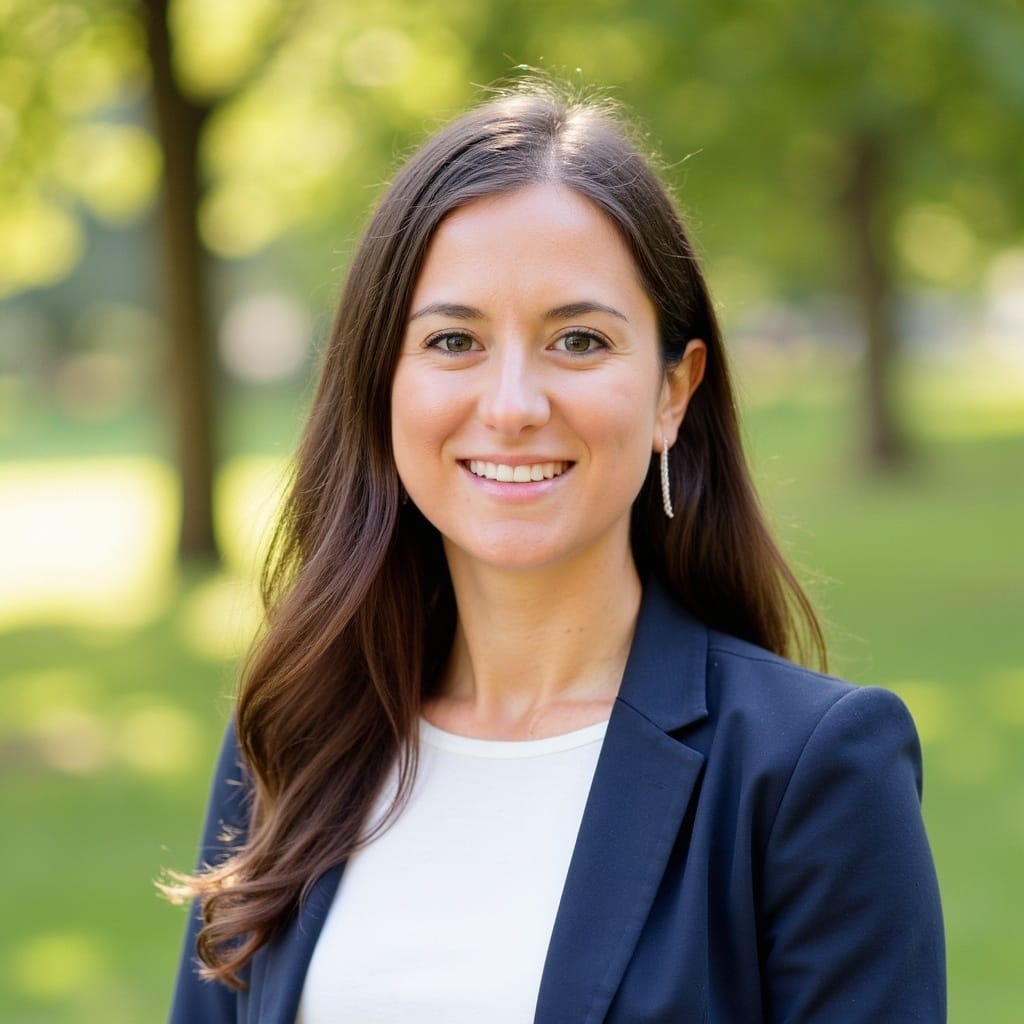
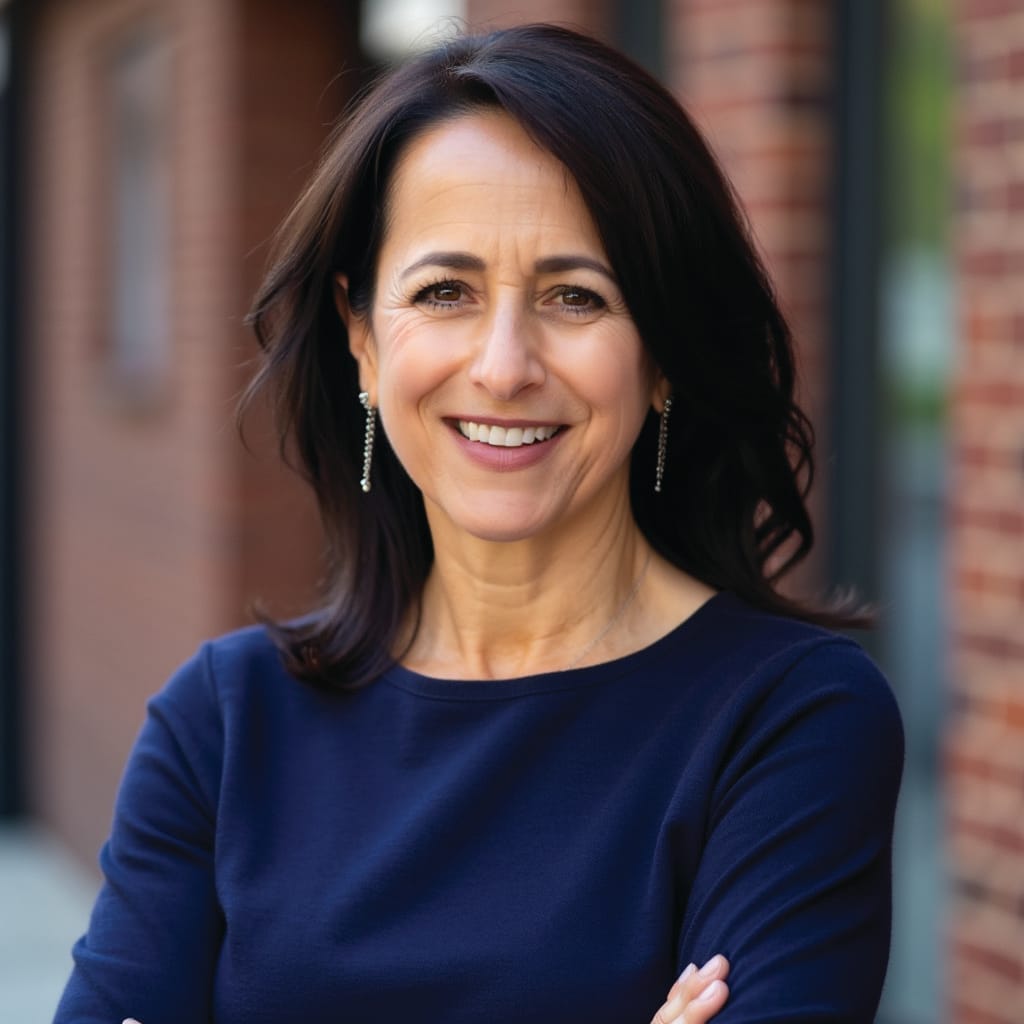
Dr Alexia Soteropoulos (left) and her mother, Paula Soteropoulos (right). Photo courtesy of Paula and Alexia Soteropoulos
Paula, you have spent your career advancing therapies for difficult-to-treat diseases. Where are the biggest gaps in research and investment in women’s health, and what gives you hope?
Paula: I see two major gaps. The first is the lack of research into female biology across the lifespan, particularly the hormonal transitions that influence so many aspects of women’s health.
The second is the historic underinvestment in conditions that mainly affect women. Endometriosis is a striking example. It affects millions of women, often starting at a young age, yet diagnosis can take seven to ten years, and treatment options remain limited. Menopause, bone health and other conditions affecting women’s long-term health have also received far less attention than they deserve. We need to recognise that women’s health goes well beyond reproductive health. It includes cardiovascular disease, metabolic health, autoimmunity, neurological health, bone health and healthy ageing.
What gives me hope is the growing convergence of science, technology, entrepreneurship and investment around these unmet needs. But awareness alone isn’t enough. Research funding, clinical development and investment capital need to follow. Having spent my career in biotech, I know what can happen when scientific innovation is matched with sustained investment. I’d like to see that same commitment applied to women’s health.
“Awareness alone isn’t enough.”
The book also speaks to employers and leaders. What is one change workplaces could make that would genuinely support women’s health?
Paula: I would start by making women’s health a legitimate part of the conversation about workforce performance and retention. For too long, women have managed health challenges privately, whether that’s debilitating menstrual symptoms, fertility treatment, autoimmune disease or the menopause transition. They often keep performing at a high level while carrying an invisible burden.
Employers can begin by educating managers, creating an environment where women feel comfortable discussing their needs, and making sure benefits reflect the realities of women’s health across different life stages, without requiring women to disclose personal medical information. Supporting women’s health is good for employees, and it’s good for business. It should be part of talent strategy, not just another employee benefit.
You write that the body’s capacity to heal should be “not an exception but an expectation”. If readers take one message from Restoring Balance, what would you like it to be?
Alexia: I want women to understand that their bodies are dynamic and interconnected. Our biology is constantly responding to how we nourish ourselves, how we sleep, how we move, our environment and the stresses we experience. We have more influence over many aspects of our health than we often realise. That doesn’t mean every condition can be prevented or reversed, or that lifestyle replaces medical treatment. It means there are meaningful ways to support our health alongside appropriate medical care.
Paula: Our aim was to give women back a sense of agency. I’ve spent much of my career believing in the power of science to change lives, and I still do. But I’ve also learned that some of the most important decisions we make about our health happen outside the doctor’s office, in the choices we make every day. We don’t have to choose between conventional medicine and an integrative approach. We need the best of both.
I especially hope this message reaches younger women. These conversations should begin early, between mothers and daughters and across generations.
Both: If readers take one thing from Restoring Balance, we hope it’s this: don’t outsource your health. Learn about your body, listen to what it’s telling you, ask questions and recognise the power you have to influence your own well-being.
Photos courtesy of Paula and Alexia Soteropoulos, unless otherwise stated.