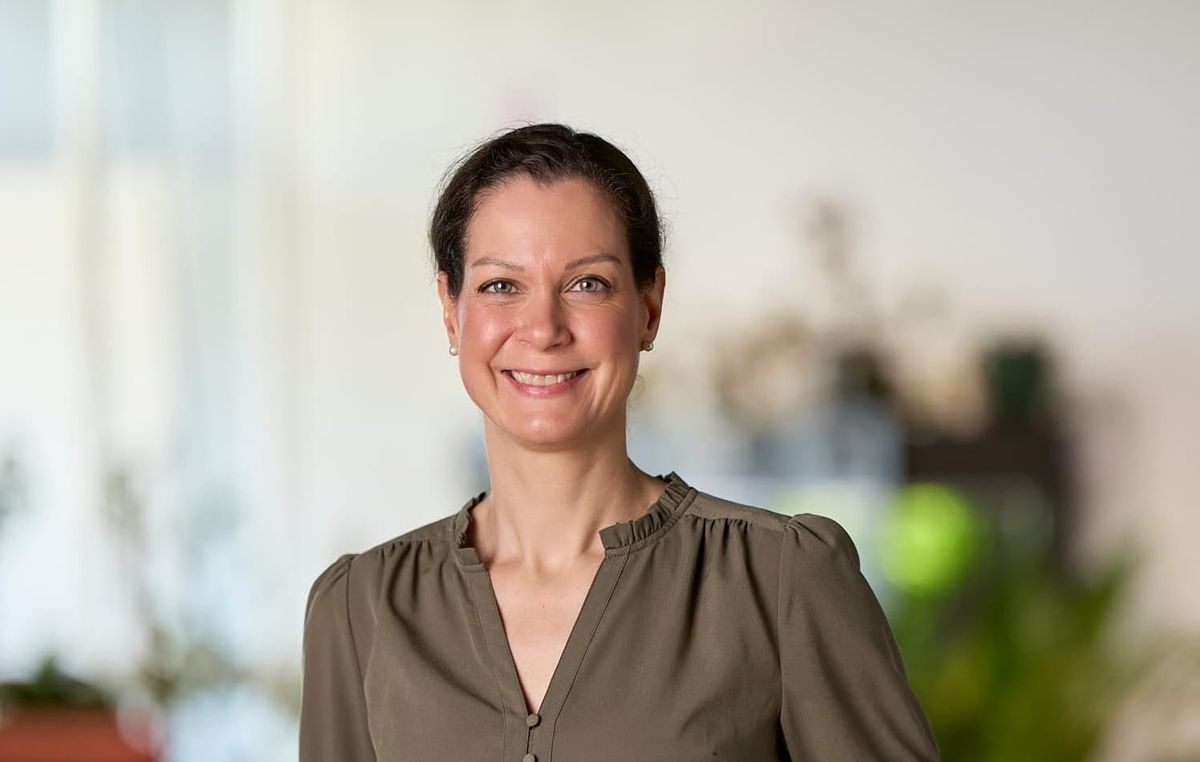
Dr Wendy Knoops is a women’s health GP with an Advanced Certificate from the British Menopause Society (BMS). She has recently moved to Canberra, Australia, to work with Evoca Health. Prior to this she was based in UK where she was the Clinical Lead for Scotland with The Menopause Consortium. She has more than twenty years of clinical practice having held key positions in NHS Grampian, NHS Highland and private clinics, where she led and developed women’s health services. She also worked with the University of Aberdeen and the College of Sexual and Reproductive Health. Her work covers contraception, menopause and menstrual health, and she has been a speaker at various events, including the Limitless Women’s Summit.
Her interest in menopause is also personal. After treatment for breast cancer, she experienced menopausal symptoms that were complex to manage, and later went through a natural perimenopause: the years of hormonal change leading up to a woman’s last period. Casi Voice spoke to her about the signs that are most often missed, the myths she hears every week, and what women in their thirties and forties should know.
What led you to women’s health and menopause?
I’m a GP with a specialist interest in women’s health and have over twenty years of clinical experience. My commitment to improving women’s healthcare started in general practice and developed further while specialising in sexual and reproductive health. In my work in the NHS and private clinics in the UK, I have advocated for a personalised approach to women’s health concerns.
My interest in this area is also influenced by my own personal experience. Following breast cancer treatment, I experienced significant menopausal symptoms that were complex to manage, followed later by going through natural perimenopause. Having lived through these experiences gives me a better understanding of how hormonal and menstrual health affects wellbeing and quality of life.
I’m passionate about creating a space where women feel heard and where symptoms aren’t simply dismissed as something they have to put up with. I particularly enjoy helping women understand what is happening to their bodies, navigate the evidence and options available to them, and find an approach that feels right for their circumstances.
Many women are told it’s just stress or anxiety. Which signs are most often missed?
Perimenopause is a very personal experience and can look very different from one woman to the next. Given the pressures of modern life, it can be difficult to tell whether symptoms are caused by stress and anxiety or by hormonal change. Changes in sleep, mood, irritability, brain fog, fatigue and feeling less resilient are often overlooked, particularly when a woman is juggling work, family and other responsibilities. Changes in periods are also important, but they don’t always happen before other symptoms appear.
The best-known symptoms are hot flushes and night sweats. However, joint aches, headaches, palpitations, changes in libido, vaginal dryness and urinary symptoms can also occur at various stages. Many of these overlap with other health conditions, and quite often there is more than one cause, so assessing each woman individually is important. Labelling symptoms as stress and anxiety alone fails to address any hormonal changes that may be happening. I believe a holistic perspective is needed.
“Labelling symptoms as stress and anxiety alone fails to address any hormonal changes that may be happening.”
What is the biggest misconception about hormone therapy?
I spend a lot of my time discussing health information from social media that is not always accurate or evidence-based. Many posts claim that all your issues will be solved by a specific supplement or hormone, when in fact symptoms need to be managed appropriately and in a personalised way.
On the other hand, there is still a misconception that menopausal hormone therapy (MHT), often called HRT, is dangerous and will significantly increase health risks, such as breast cancer and heart disease, for all women. In a consultation, we discuss these concerns using evidence from internationally recognised menopause sources, and women are encouraged to consider their own preferences when deciding on a plan.
Once the information is presented, women are often relieved. Understanding their own bodies, and how the evidence applies to them personally, allows them to make an informed decision. As a women’s health GP, I see my role as helping women navigate that evidence without fear or false claims.
How can a hormonal IUD (a small device placed in the womb, often called a coil) help during perimenopause?
A hormonal IUD can be a really useful option during perimenopause because it can help with several things at once. It provides highly effective contraception, which matters because women can still become pregnant during perimenopause. Many women also find that their periods become more unpredictable and sometimes heavier, which can cause significant distress. A hormonal IUD can significantly reduce bleeding and, for some women, eventually stop periods altogether.
It can also protect the lining of the womb for women taking oestrogen as part of MHT, so they don’t need to take progesterone as a separate tablet.
I think it is under-discussed partly because we tend to treat contraception and menopause as two separate conversations. I encourage looking at the whole woman and considering how one treatment can sometimes help with several issues at the same time.
Which supplements do women ask about most, and do they work?
Phytoestrogens, such as soy products, and herbal remedies like black cohosh are the ones I am asked about most often. Although natural remedies can be helpful in some circumstances, the research is limited and there is no clear evidence that they relieve symptoms in the same way as MHT. The quality of different products also varies, so I’m cautious about recommending them routinely.
Women also ask about magnesium for sleep, multivitamins and collagen. Vitamins and minerals are essential for health, but the evidence is mixed on how much supplements help if you are not deficient and already get enough from your diet. There is a strong perception that because something is “natural”, it must be safe and gentler than hormone therapy. That isn’t necessarily the case. Supplements can have active effects, interact with medications and vary considerably in quality and dose. It’s important to look at what the evidence shows, rather than assuming a supplement is a safe and effective treatment for everyone.
“There is a strong perception that because something is “natural”, it must be safe and gentler than hormone therapy. That isn’t necessarily the case.”
What do you wish women knew in their late thirties and forties?
I wish more women knew that perimenopause may start earlier than they expect, for example in their early forties. It isn’t simply about hot flushes or periods stopping. It can be a gradual change, with symptoms such as disrupted sleep, anxiety, brain fog, fatigue, mood changes, headaches, palpitations, joint aches, changes in libido and heavier or irregular periods appearing years before the last period. Women in their late thirties and forties would benefit from understanding that these changes can be hormonal, rather than assuming they are simply stressed, not coping, or getting older.
I also wish women knew that they don’t have to just put up with symptoms. There are effective ways of managing many of these changes, but the approach needs to be individualised. Talking to a GP earlier, understanding the options and knowing what is normal and what needs further investigation can make a real difference. My own experience of menopause after breast cancer treatment, and later natural perimenopause, has shown me how valuable it is to have good information and support before you reach the point where you feel you simply can’t cope anymore.