Science-Europe
While the World Burns, AI Is Lighting a Different Fire
AI companies are buying old books, scanning them, and destroying the originals. A US court says it's legal. The writer Ray Bradbury already saw this coming in 1953.
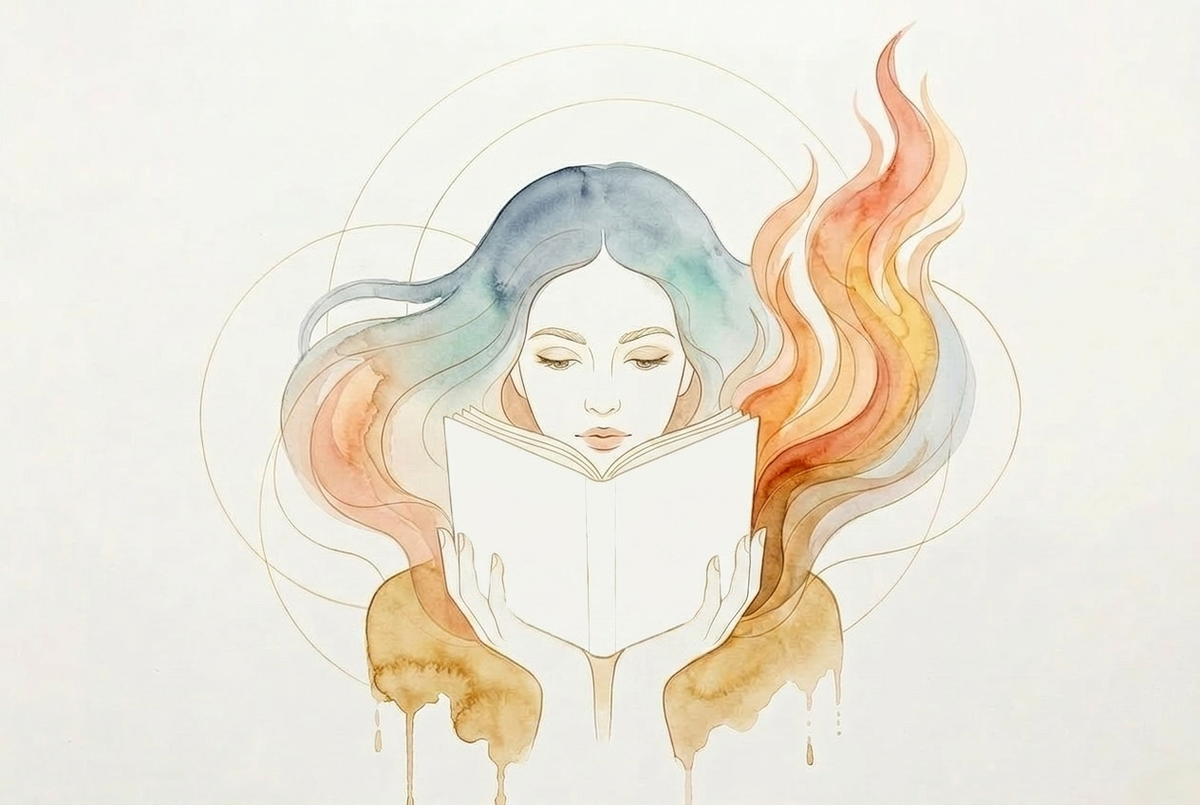
Smoke is in the air again. Heatwaves press down on cities and forests, and news feeds fill with images of burning hills and skies turned orange by another wildfire season. While the world watches those flames, another kind of fire is burning quietly in warehouses, far from the headlines.
In Fahrenheit 451, published in 1953, Ray Bradbury imagined a world where firemen burn books for a living while people sit before huge screens, entertained out of the habit of thinking. Most remember it as a story about censorship, but Bradbury's real warning was sharper: a society loses its books not because they are banned, but because it stops noticing they matter.
The Quiet Warehouse
Montag, the novel's fireman, found it “a pleasure to burn”, a duty carried out openly, in uniform, with company. Nobody today burns paperbacks in the street like that. The modern version is quieter: no torch, no crowd, just a hydraulic cutter and a high-speed scanner, run by companies that would rather nobody watched at all.
AI needs vast amounts of well-written text to learn from, and older books, written before the internet filled with computer-generated writing, are considered some of the best material there is. So companies have been buying second-hand books by the pallet, slicing off their spines, scanning every page, and throwing the paper away. No book is banned; each is used once, then discarded, so what it says goes on living inside an AI system instead of on a shelf. That distinction matters more than it sounds: a rare or out-of-print copy scanned this way may be one of the last physical traces of its own text left in the world, since only the AI retains what it said once the paper is gone.
The clearest picture comes from Bartz v. Anthropic, a US copyright case that forced Anthropic, maker of the Claude chatbot, to unseal internal records of a project codenamed Project Panama. One internal document stated its aim plainly: to destroy and scan all the books in the world, adding that the company preferred this not be known. It reportedly spent tens of millions of dollars on used books, aiming to process up to two million this way. A broker called ISBNdb now arranges similar bulk purchases for other AI firms, prizing pre-2022 titles precisely because they predate AI-generated text online. One small bookseller told 404 Media his weekly sales jumped from twenty books to hundreds almost overnight, mostly rare, out-of-print titles he suspects are being pulped after scanning. “I don't like that uncommon books are being pulped,” he said, though the sales have been good for business.
What the Courts Decided
In June 2025, a federal judge ruled that buying a physical book, scanning it, and destroying the original counts as fair use, since the company legally owned the copy. The same court found Anthropic's earlier use of millions of pirated books was different; that dispute was settled for $1.5 billion, the largest copyright recovery on record. On 20 July 2026 a federal judge granted final approval to the settlement, closing the case, though roughly 350 authors chose to opt out and are pursuing individual claims of their own. Similar disputes are still working their way through the courts against OpenAI and Meta.
Reasonable people disagree here. The strongest defence, largely accepted by the courts, is that lawful ownership matters: a company that buys a book outright may convert its own copy. The strongest objection is that legality is not the same as harmlessness. A book is a physical record of one mind at one moment, sometimes the last surviving copy of its kind, and once destroyed, no settlement cheque brings it back.
Why Books Still Matter
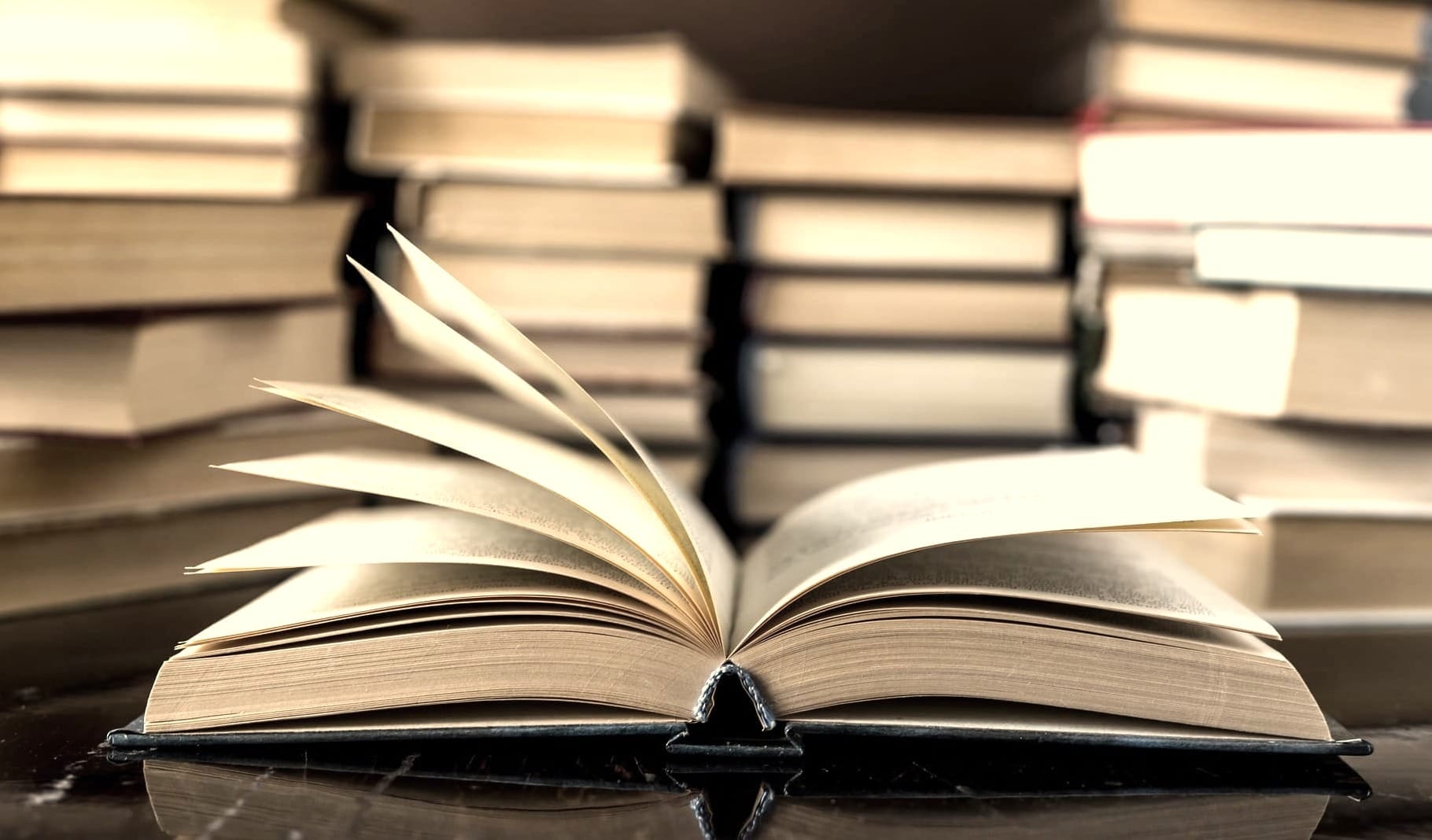
A good book does things a screen rarely manages: it lets you live briefly inside someone else's life and can quietly change how you see your own once you close the cover. Neuroscientists describe a screen inferiority effect: people read faster on screens and feel just as confident, yet score worse on comprehension tests for long material, partly because print supports spatial memory, recalling an idea by where it sat on the page. A widely cited 2016 study found regular book readers lived longer, on average, than people who read little, an effect not found with newspapers, only books.
Bradbury's ending said it best. His own resistance movement, at the novel's close, is made up of exiles who each memorise one book so it cannot be lost, becoming the thing worth saving. It is a strange image to take seriously in 2026, yet it points at something real: a book holds a person's full, unhurried attempt to say something true, in a way a summary never can. Nothing here was forced by a government. It happened legally, in warehouses, until unsealed court records caught up with it. A culture does not need fire to be destroyed, only readers who give up on it.
Bradbury said he was not trying to predict the future, only to prevent one. Whether this counts as the future he feared is worth sitting with. A screen will not think to ask you that question. A book still might.
References
Bradbury, Ray. Fahrenheit 451. Ballantine Books, 1953.
Bartz v. Anthropic PBC, N.D. Cal. Fair-use ruling, June 2025, and final settlement approval, 20 July 2026 (Judge William Alsup; Judge Araceli Martinez-Olguin).
Euronews, “Project Panama: How Anthropic secretly destroyed millions of books to train its AI”, 5 August 2026.
404 Media, reporting on ISBNdb and bulk book-buying for AI training data, July 2026.
Bavishi, A., Slade, M. D., and Levy, B. R. “A chapter a day: Association of book reading with longevity.” Social Science & Medicine, 2016.