
Science — Global
Where Medicine Ends and Art Begins
When a scan comes back clear but the pain remains, medicine reaches one of its limits. This piece asks what art can offer where measurement cannot: a way of understanding the body not just as it looks, but as it is lived.
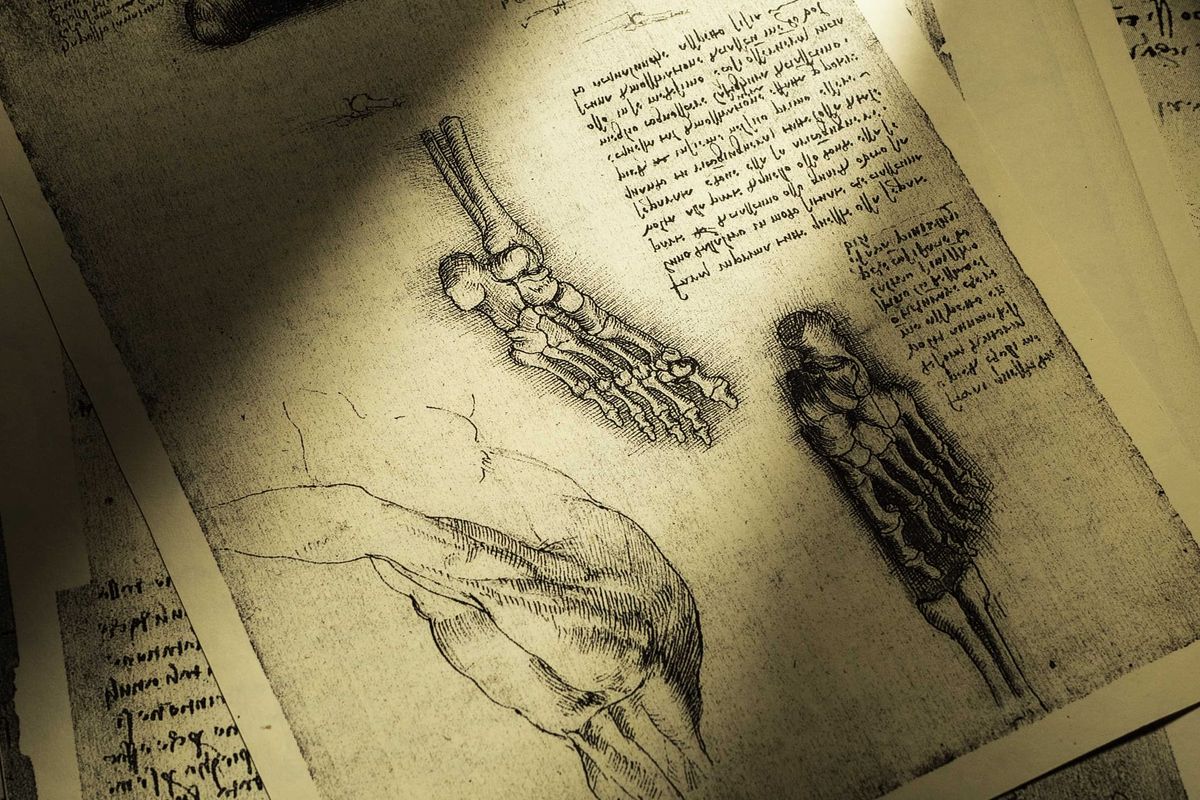
I approach this subject from two sides: as a visual artist concerned with perception, representation, and lived experience, and as a radiological technician working daily with the measured, imaged, and medically interpreted body. That dual perspective is part of what draws me to the relationship between art and medicine, and to the gap that can open between what is visible in a scan and what is actually lived by the person being examined.
What happens when the body can be seen clearly, yet still not fully understood? That question sits near the heart of art and medicine.
The relationship between the two reaches back to early anatomical studies and Renaissance practices, when figures like Leonardo da Vinci moved fluidly between dissection and drawing, treating the body as something to be both measured and observed with artistic attention. Traditions in anatomical illustration continued this overlap, where scientific accuracy depended on artistic skill.
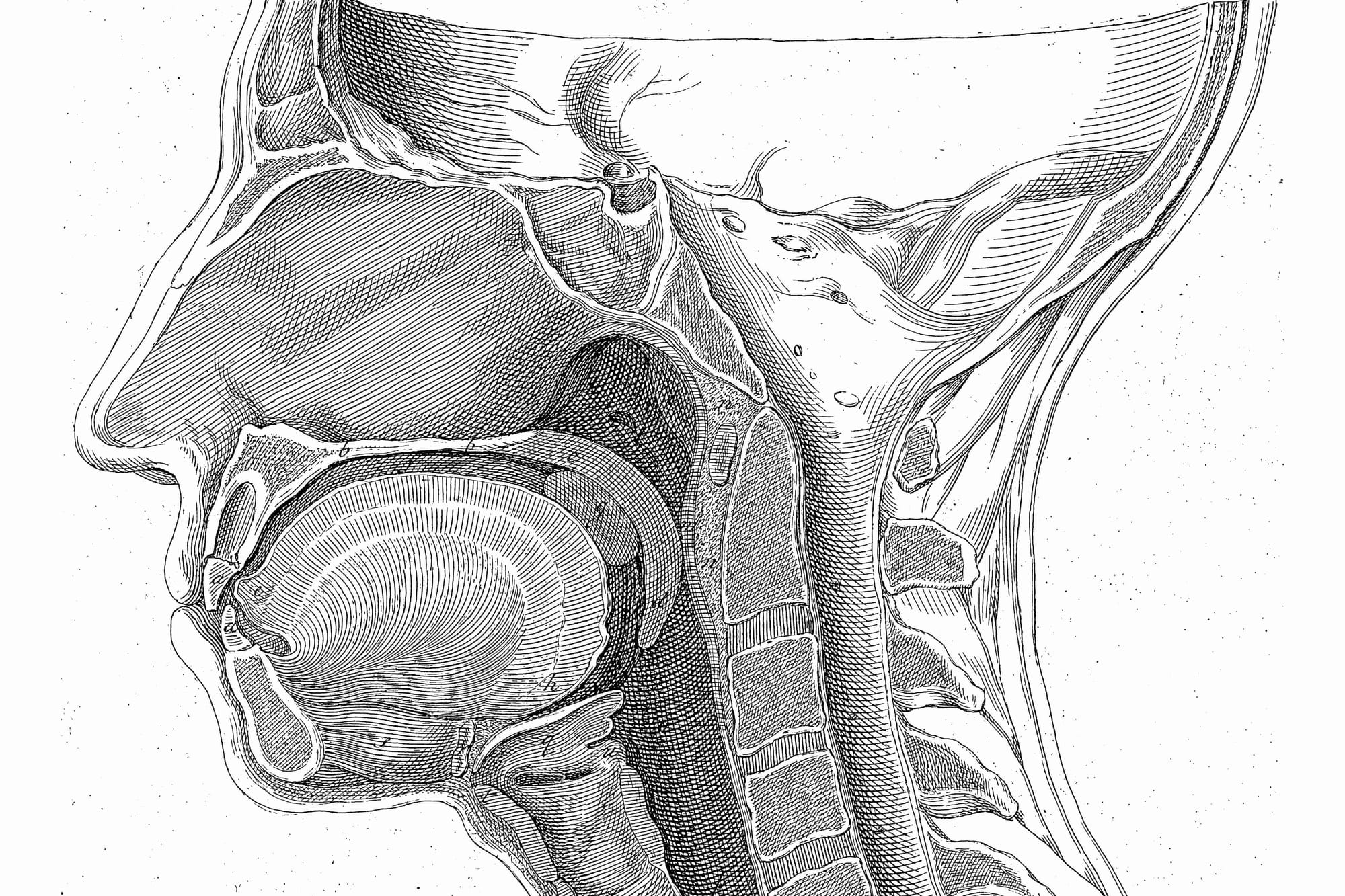
More recently, the discussion has expanded. Art is no longer seen only as a metaphor for medical practice, but as a parallel system of understanding the human condition. This broader overlap is often explored through the field of medical humanities, an interdisciplinary area that brings medicine into conversation with art, literature, philosophy, and history in order to better understand illness, care, embodiment, and the lived experience of the body.
Art therapy is one of the most direct practical expressions of this overlap, using image-making to help patients process pain, trauma, illness, and emotional distress. Yet the present discussion is concerned less with art as treatment than with art as a way of knowing, one that can illuminate dimensions of the body and of suffering that medicine alone may not fully capture.
Ultimately, the point is not to merge art and medicine but to recognize what each contributes to how we approach the human body in sickness and in health. The topic of art and medicine opens up this inquiry through a couple central questions:
• Is medicine purely objective?
• Can art help us understand the body in ways medicine cannot?
The tension between these two approaches opens a space worth examining, especially when the limits of each individually begin to surface.
Is Medicine Objective or Subjective?
Medicine is often presented as an objective field because it relies on scans, measurements, and observable signs. In many cases, these tests can reveal certain truths. A fracture can be imaged, or a blood value can be compared against a reference range. This measurable side of medicine is what gives it authority and precision.
At the same time, medicine is never made up of cold-hard data alone. Sometimes the relationships between data points are just as important as singular results. Synthesizing data depends on interpretation and experience. A patient's symptoms must be described, weighed, compared, and placed into context. This becomes especially clear when a patient cannot fully explain what they are feeling, as in the case of a baby, a person with dementia, or someone who does not speak the language well.
Even when a patient is able to speak, descriptions of pain remain deeply subjective. What is unbearable for one person may be manageable for another. A dull ache, a stabbing sensation, consistent pressure, burning, or tightness may all point in different directions, yet each depends on language, perception, and personal threshold.
As a result, we can say that medicine is not purely objective, even when it is grounded in evidence. Physicians often must interpret incomplete information and apply experience to what they see and hear. They move between measurable data and human description, between what can be verified and what must still be judged. In this sense, medicine is built around data but never reducible to evidence alone.
So, if medicine can be open to interpretation, then the gap between what is subjective and what is measurable is smaller than it first appears.
The Lived Body vs. The Measured Body
There are moments in clinical practice where all measurable tests return as normal, even though the patient continues to experience pain or discomfort. In such cases, what should feel reassuring often becomes a source of disappointment, because often patients are left without an explanation for what they are living through.
Pain can move beyond medical findings and into the realm of human experience. When that lived dimension cannot be translated into measurable terms, it risks being overlooked or minimized.
Strangely, pain, and it's subjective nature, is where art in medicine becomes especially valuable. Art can approach the body, not only as something observed from the outside, but as something inhabited from within. It can give form to the texture of suffering and the confusion of illness in ways that medicine alone does not aim to do.
Part of what makes art valuable here is that it creates a virtual space both in and around the body. Art has a power to blend space and time. It does not have to arrive at a diagnosis. It can stay with what is difficult to resolve and hold contradiction without forcing it immediately into a category, thus creating space for a more sustained kind of attention.
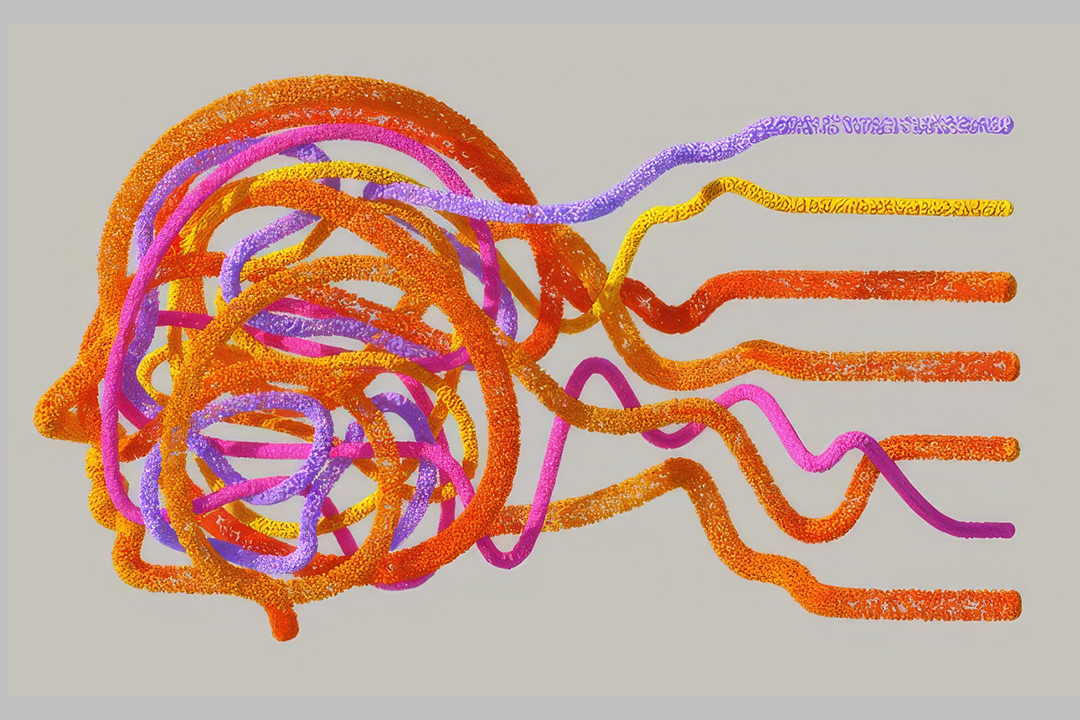
Sometimes this attention can be visualized or expressed beyond the seen. Think of Frida Kahlo's wrenching depictions of spinal dysfunction or more recently Jo Spence's photographic series documenting her battle with breast cancer. Such artists use art as a source of empowerment over feelings of helplessness, but they also offer us as viewers, insight into their lived experience within a body striving towards health.
The phenomenon of “feeling”, in this context, should not be reduced to empathy alone. The point is not simply that patients deserve compassion, though they do. The deeper point is that art opens a different mode of perception. It helps us grasp what a condition is like, not just what it looks like on a scan or where it falls on a pain scale of 1-10.
To conclude, although art cannot replace a medical diagnosis, it can make visible another truth of the body, one that belongs to real-life experience rather than purely clinical evidence. And this, I argue, helps us understand the body where medicine reaches one of its natural limits.
Read the original, full-length version of this piece on Sima's blog: fromlight2art.com/art-and-medicine