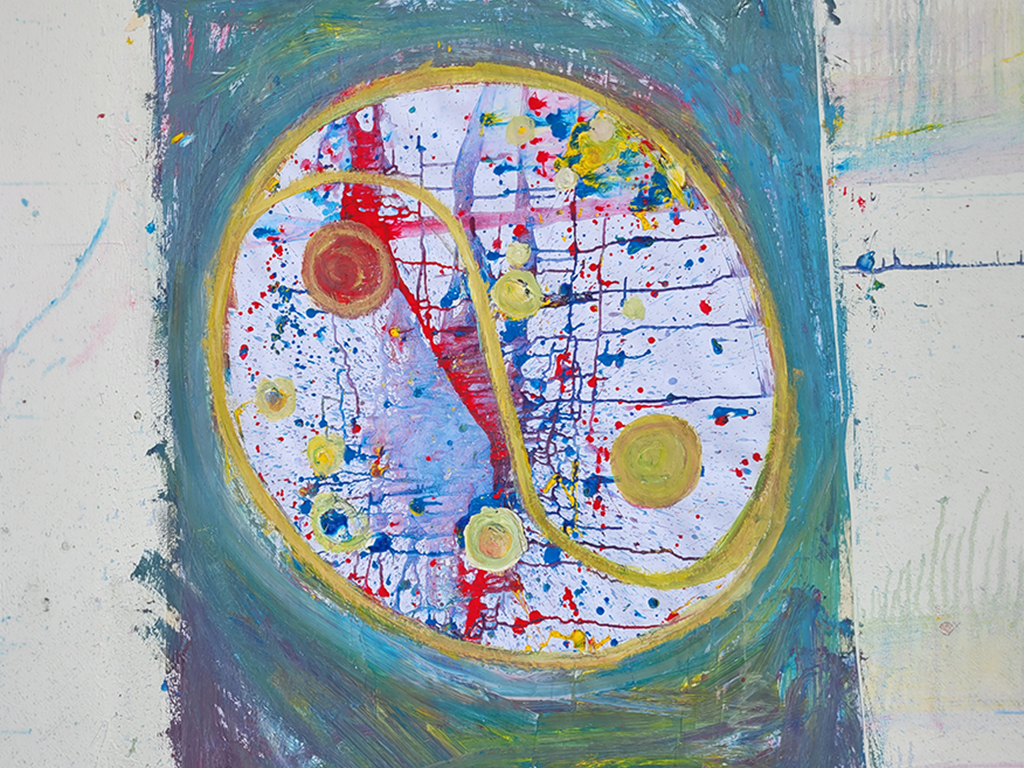
This is one of the things that keeps me curious about art therapy. There are experiences we can feel quite clearly, even when we cannot explain them. We may know that something is there without knowing exactly what it is.
In art therapy, I often start with a simple creative task. It might involve painting, drawing, collage, working with clay or other creative materials, giving an experience a physical form. Expression can also happen through the body or the voice. The task gives us somewhere to start, but what happens next belongs to the person doing it. There is no right way to do it, and there is no need to know beforehand what it is going to become.
When we look together at what has emerged, the conversation begins.
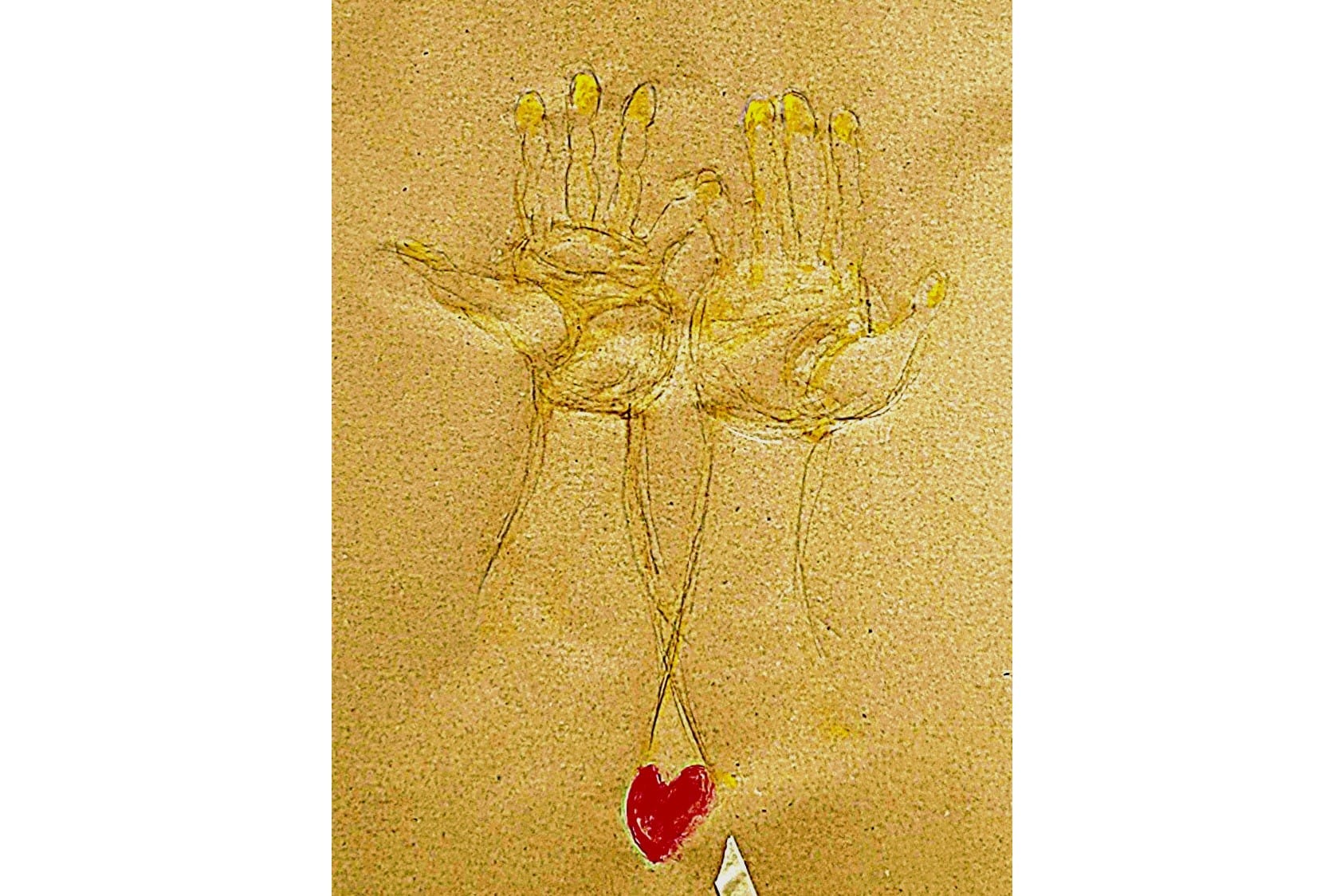
I might ask: What does this mean to you? Does it have a name? Is there something here you would like to point out or tell me about? What is it, and what is it not? If it had a sound, what would it sound like?
I am not trying to find the hidden meaning of what has been created. I am much more interested in what the person notices when they meet it themselves. Something may suddenly catch their attention. A colour can bring back a memory, a shape can remind them of someone or somewhere, or they may notice something they were not consciously aware of while creating it.
Sometimes nothing particular happens. There is no connection, no sudden insight, and no need to force one. The process can still have value simply because something has been given a form and we have had the opportunity to look at it together.
This way of working connects with something I find particularly interesting in the Swiss psychiatrist Carl Jung’s understanding of the unconscious. He did not see it simply as a place where forgotten things were stored away, but as something active, continually connecting, imagining and communicating through dreams, images, emotions and associations.
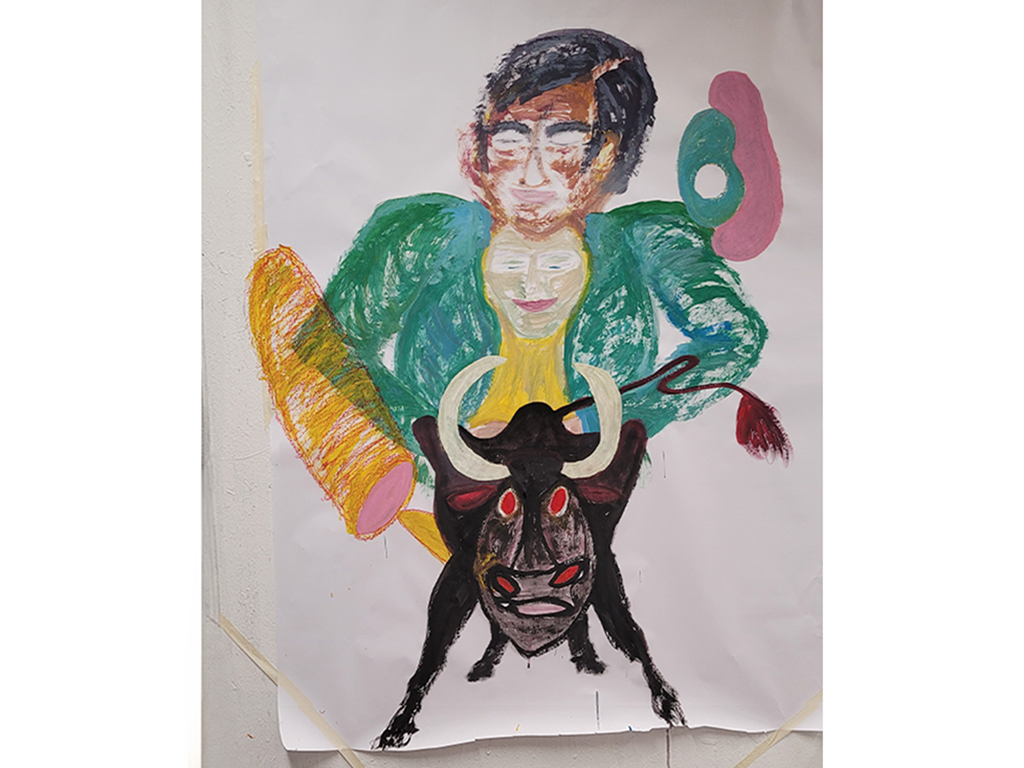
I like the openness in that way of thinking. It allows us to be curious about what is emerging without deciding too quickly what it means. A red circle does not automatically mean anger, and a house does not have one universal meaning. The meaning belongs to the person and to the context in which it has emerged.
We live in a world where we are often expected to explain ourselves. We want to know why we feel something, what it means and what we should do next. But life does not always work that way. Grief, illness, change, relationships and uncertainty can leave us with something we feel long before we can put it into words.
Perhaps this is one of the things art therapy can offer: a way to stay curious about an experience before we have fully understood it.
Sometimes something emerges before we understand it.
And sometimes, when we look at it together, the words come.
Suzanne Clareus Weston is an art therapist in Bærum, Norway, trained at Institut for Kunstterapi in Denmark. A board member of Kunstterapiforeningen i Norge, she interned at Modum Bad and brings psychology studies and 30 years in international business. Visit Suzanne’s website: kunstterapeut.no