
Identity-Europe
The Self You Become Between Cultures: What Home Has to Do With It
A case for not losing yourself while staying open as you straddle cultures
I have had the privilege of living in three countries so far. The first was my country of origin, where I was born, raised and started my career, and its cultural shorthand came intuitively through nurture, observation and everyday interaction.
The second felt similarly intuitive, thanks to a shared language and repeated contact with the country and its cultural nuances since childhood.
The third has been home for seven years to date, and its learning curve has been by far the steepest. Familiarity and acceptance are an ongoing push and pull, and I have learned to curate myself differently in public than in private. Because language and culture are so intimately connected, learning one has meant aligning with the other, a truly profound and intense experience.
When stark contrasts exist between culture and language and you are thrown into the thick of it without a foundation, thriving can become a double-edged sword. Some dynamics of this country have afforded me a real sense of freedom and expression. Others have created a new kind of friction, a little like escaping one box only to jump straight into another, where the labels are different but the demand for conformity still exists.
The first year was the hardest. Navigating a new landscape from the sterile box that was my home at the time, I clung for dear life to the familiar. One anchor was a UK radio station that played all my favourite songs and made me feel capable and invincible as I navigated the transport system, the language and the wonderful people who used them.
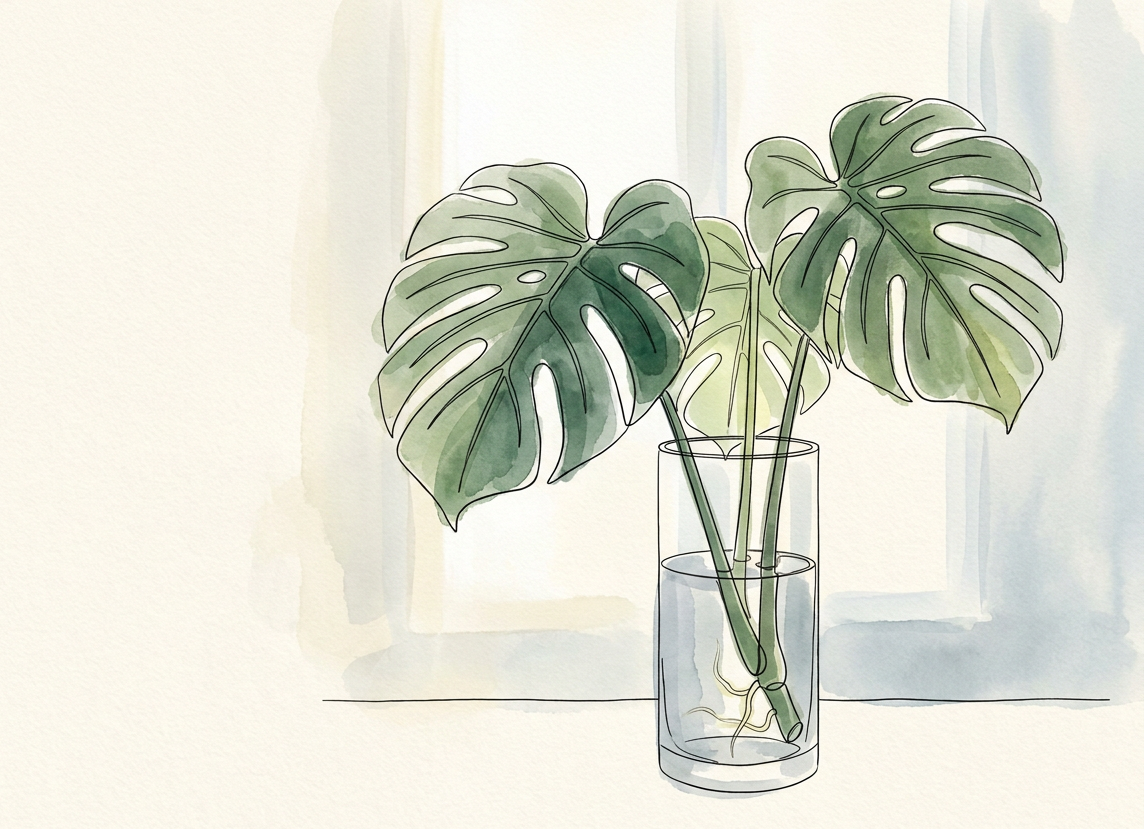
Home became my personal oasis as I added things I loved. Having been raised surrounded by lush greenery, I brought in the biggest plant I could find, a Monstera, and other tropical plants soon followed. I started making my own skincare, haircare and aromatherapy blends again, and finally beat the hard water that had cost me my hair and made my face look like the surface of the moon.
Small things, but coming home became what I looked forward to most: the familiar scent of my essential oil blend, plants casting fractal shadows on the walls, the little bits and bobs collected here and there. Together, they made me feel as though I was in a bunker, for better or worse.
Still, questions lingered: did I belong here? Would I thrive here as a woman and a professional? How much of myself was I willing to change? And would I know when adaptation starts to feel like erasure?
The Epiphany
I realised that I had integrated hard.
I was grateful for an environment free of the restrictions and cultural tensions I had fought against at home. But another kind of conformity had settled in their place.
Through research and application in my own home, I have since understood that creating a familiar home and creating an environment that encourages you to let go and embrace influences that can change you for the better are very different things. That experience taught me that a house, familiarity and belonging are three separate things.
A house is a structure that holds our things and experiences. It feels like home when it contains the sensory anchors that make you feel like you.
Familiarity grows through repetition and time.
Belonging means existing in a place without constantly negotiating with yourself. Instead of guarding against change, you embrace it as evolution, losing something to gain something better, more nuanced, more open, more you.
Many of us confuse the three. We assume that once a place feels familiar, it will feel like home, or that belonging requires us to become indistinguishable from the people around us. Neither is a binary outcome.
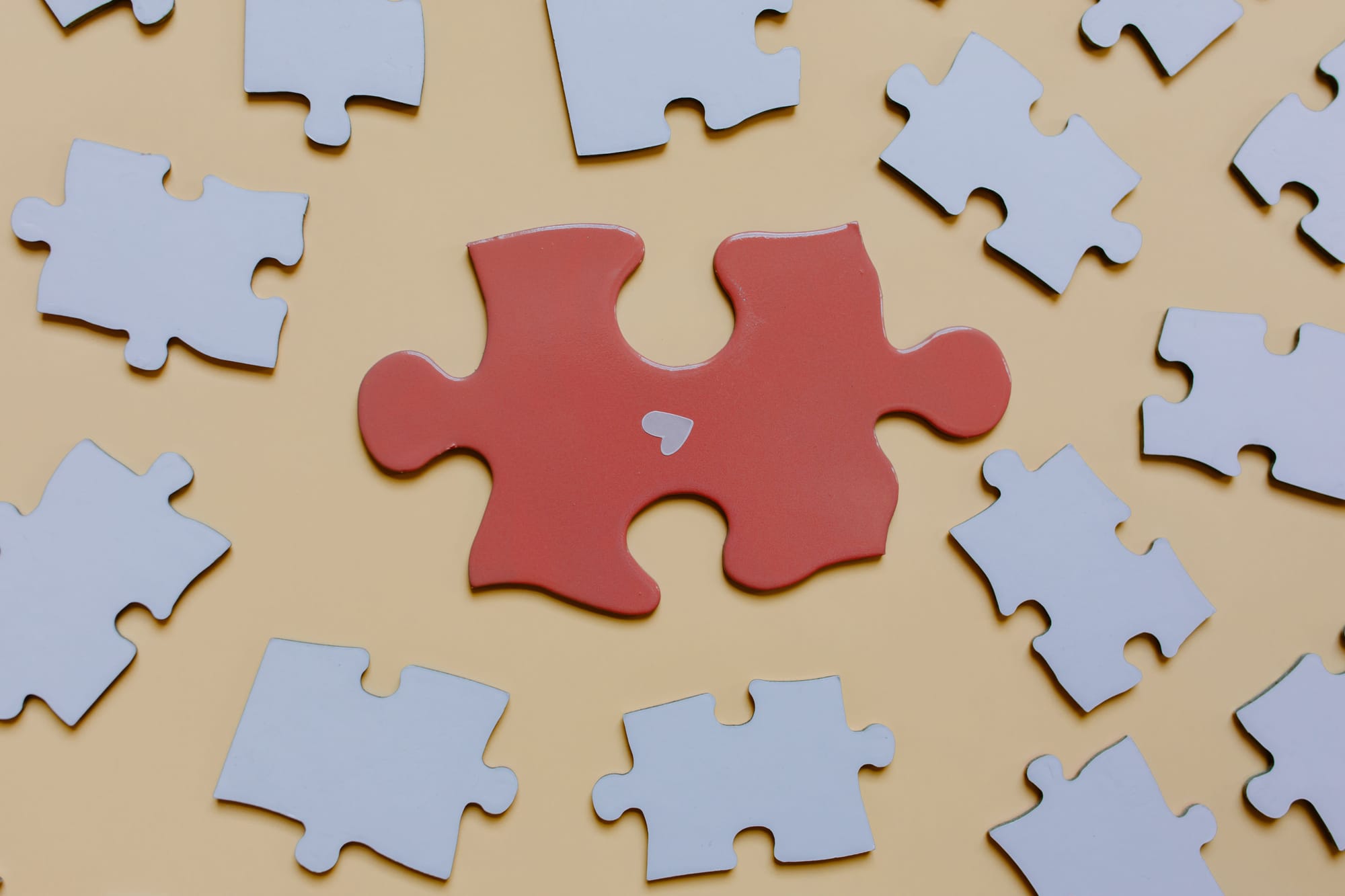
You can learn the rules, speak the language and read the social cues, and still feel you are suppressing parts of yourself simply to fit. Or you can build a bubble to protect your old life so completely that you never develop a meaningful relationship with the place you now live.
The more interesting question is: can you remain recognisably yourself while allowing the new environment to change you?
You may become good at blending in without becoming good at evolving into yourself. Feeling at home is not simply a matter of time. It also depends on what the environment, social and physical, makes possible for us.
So the question I ask is not how well we are adapting, but what we are adapting towards.
The Role of the Home
The home is where this negotiation becomes tangible, because we can shape it with far more agency than the world outside. In a place that cannot read us as easily as the one that nurtured us, home can be an anchor, offering continuity while allowing a controlled sense of integration.
This does not mean creating a replica of what is familiar, which can be insulating. Rather, it means introducing familiar qualities that help us recognise ourselves within a new life. I think of these as spatial anchors. They are not walls to fortify against integration, but cues that provide enough continuity for curiosity about a new place to remain possible.
Moving between cultures involves a great deal of translation: how to behave, what is expected, how our words may be interpreted. If home becomes another place where we must constantly adjust, there is little space left to breathe. That leads to cognitive friction.
Cognitive friction is the mental effort required when even the most ordinary things at home demand constant interpretation, adjustment and decision-making, because the brain cannot predict when and where it can safely recover and consolidate.
But the opposite can limit us too. A home that recreates the life we left behind may offer real comfort at first, but it can become a retreat from the new environment rather than a bridge into it, leaving no room for new ways of being to shape an evolving self.
This is where the home becomes more interesting from a NeuroDesign perspective.
When we move somewhere new, we are learning not just a different geography but a different way of living. Cognitive scientists use the term predictive processing to describe how the brain draws on previous experience to anticipate what happens next. In a familiar environment much of this runs effortlessly; in an unfamiliar one, far more must be noticed, interpreted and worked out.
Home is the constant ground zero: we leave it and encounter something new, we return, we sleep, we wake and encounter the world again. As the place where our habits and ways of living are experienced repeatedly, it should support and gently encourage that process.
This is where the sensory and spatial context of home matters. We may need certain qualities of light, sound, texture, privacy or spatial order to regulate and recover, alongside elements that remind us we are a work in progress. There is no universally restorative room: what helps one person sleep may unsettle another.
So, for someone straddling cultures, the question is not only “How do I keep enough of myself to feel at home?” but also “Who am I becoming, and does my environment allow that person to emerge?”
The home does not have to choose between preserving the person who arrived and accommodating the person who is developing. It can hold enough continuity for the first to remain recognisable, while making room for the second to take shape.
I have become a little more nuanced with each country I have lived in. France has asked the most of me and, in many ways, given the most in return. I would not want adaptation to erase the parts of myself I value, nor to remain so sequestered that nothing new could influence me.
This is the biggest epiphany I have had regarding home. A home is not necessarily a place where everything is familiar. Rather, it is the place where enough of what matters is recognised, giving us the space to embrace what does not, at our own pace.
That negotiation takes time, and it is never truly finished. A home cannot solve the question of belonging or protect us from change. However, it can make the process more manageable by giving us a place to stay connected to ourselves while we remain open to change.