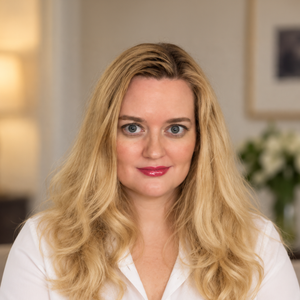
When we spoke to Laurène, her bags were half packed. In a few days she would fly to the Amazon to spend three months with an Indigenous community, learning the songs they sing to medicinal plants and helping out at an animal refuge. She will be offline the entire time, and that is part of the appeal: a chance to live as the community does, close to nature.
It’s a long way from where she started. In her early twenties she was an interior designer in New York, with a promising career and the kind of life many of us will recognise: long days, packed subways, never really switching off. “My brain just said: stop,” she told us.
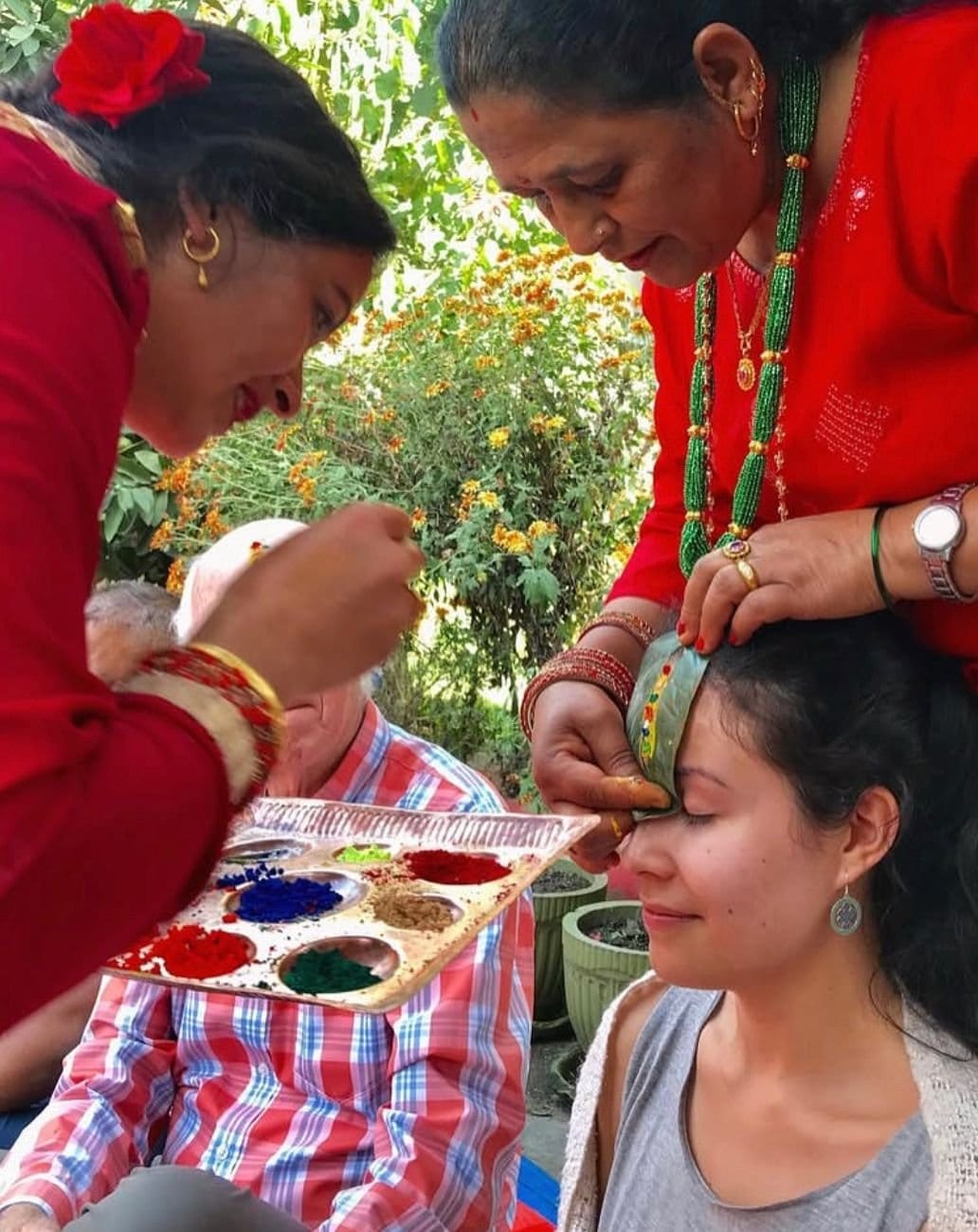
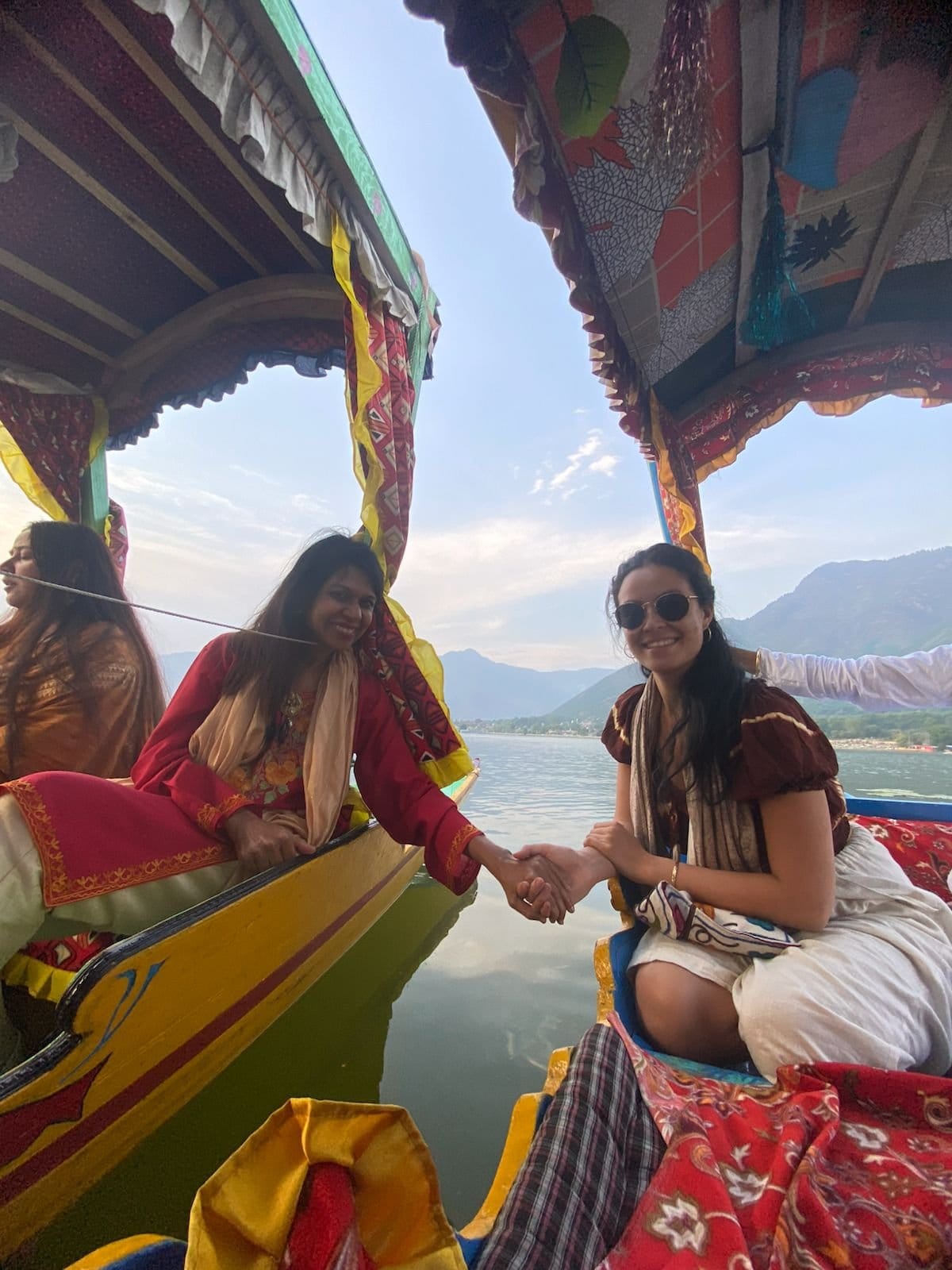
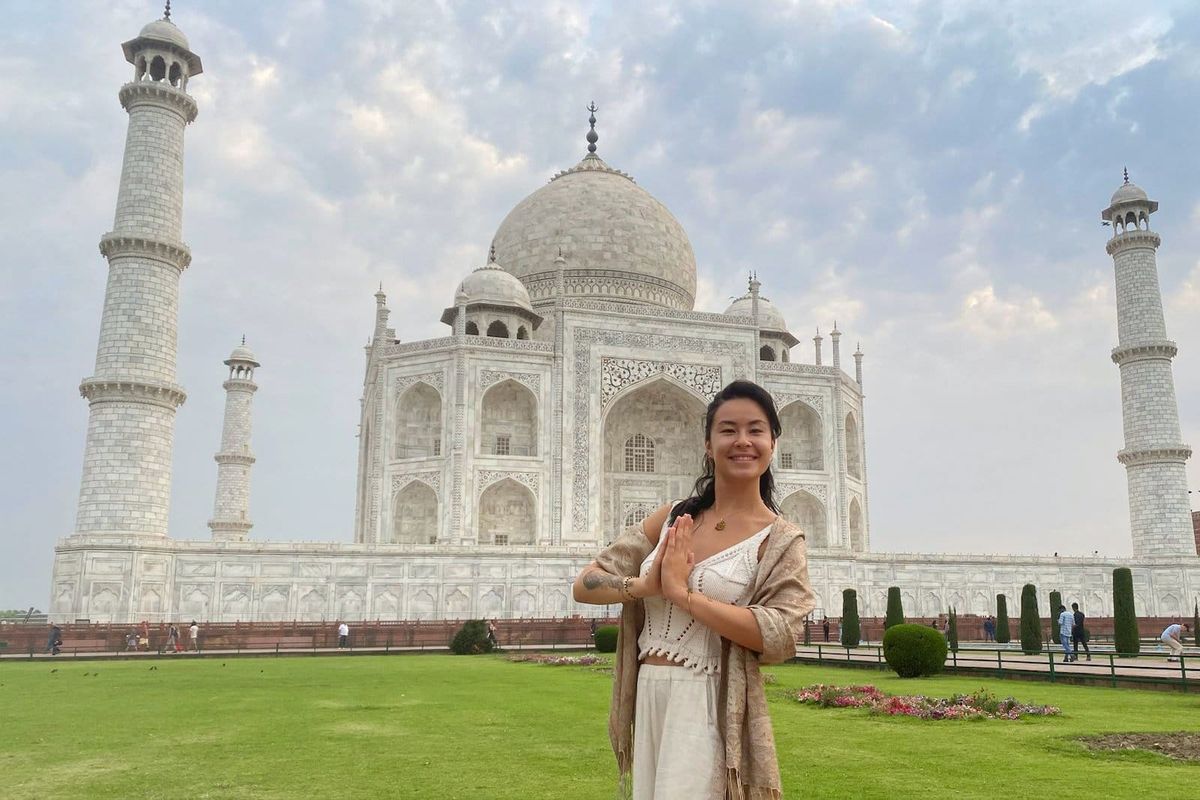
Tihar in Nepal; Dharamsala, India; Dal Lake, Kashmir
Somewhere else
In 2019, when she was 23, a blood vessel in her brain burst. It was an aneurysm, and the operation to save her was risky. Afterwards, her doctors told her it was a miracle she had made it.
But what she remembers from that time has nothing to do with hospitals. During the surgery, Laurène had a near-death experience, and it has shaped everything she has done since.
“I wasn’t in my body. I was somewhere else,” she said, and you could see her trying to find the words. “It was as if I was everything and nothing. We were all connected.” She saw visions and felt more love than she can describe. She also met the goddess she had felt drawn to for years. “I was speaking with her, and at some point I even felt I was her. It was paradise for me.”
She doesn’t try to convince anyone of what it was. “I know it was my own psyche, what I was seeing,” she said. But the feeling stayed with her.
The hardest part was waking up. “When I opened my eyes, I said: take me back to where I was before.” For a long time afterwards she was very depressed and, as she puts it, lost her taste for life. Her family and her closest friends got her through it. Ever since, she has been looking for a way to feel that same peace again — here, in an ordinary life.
One backpack
She couldn’t go back to the life she had before. So she left her job in New York, packed a backpack and set off on her own.
Since then she has travelled to more than 30 countries. She stayed with monks in the Himalayas and did a silent Vipassana meditation retreat in Nepal. She trained as a yoga teacher in India, studied Vajrayana Buddhism in Tibet and Chinese metaphysics in Malaysia, and spent time living in Australia and Hong Kong.
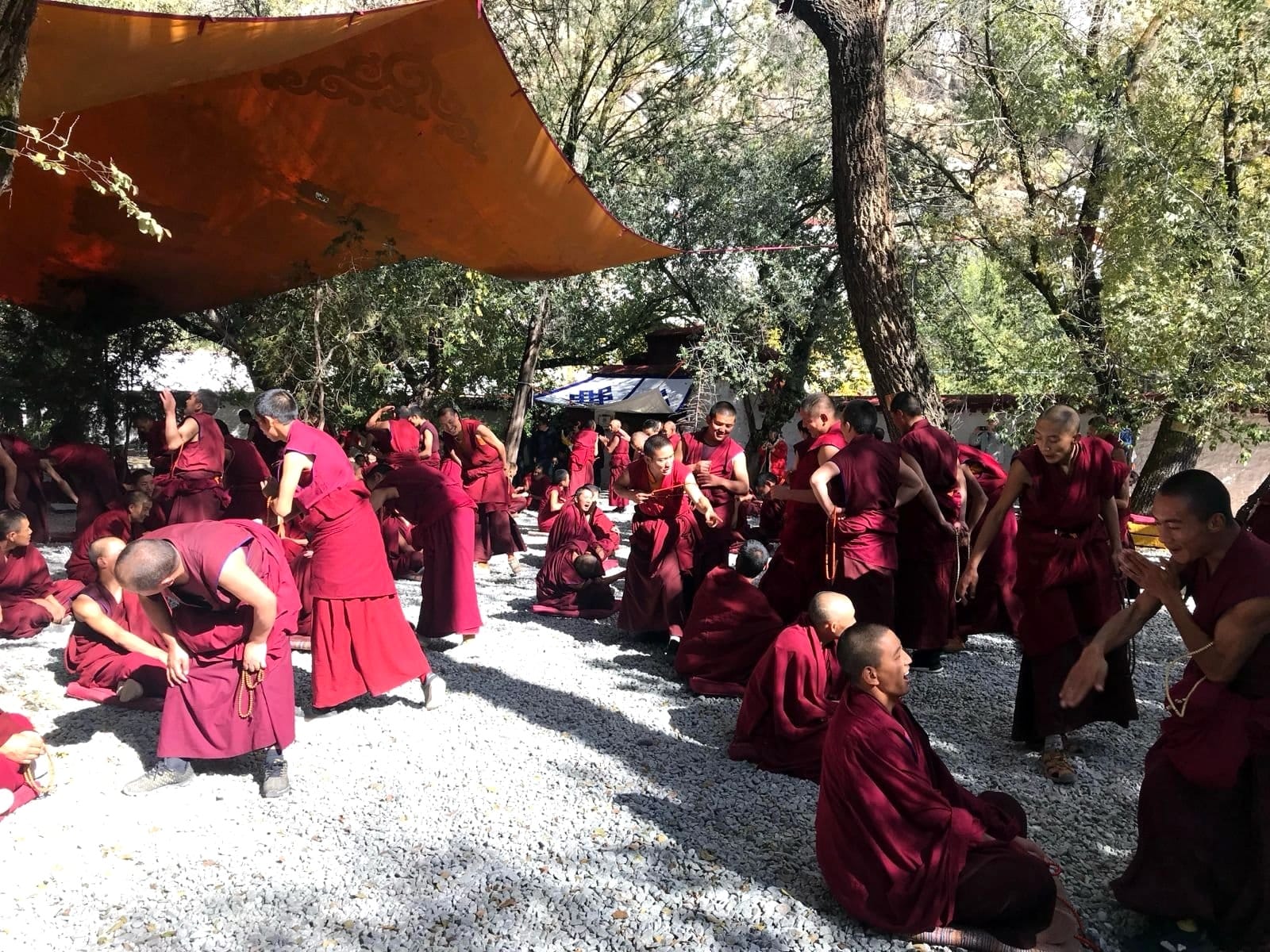
Australia is the place she keeps coming back to when she talks about what changed her. “I was living in nature, swimming in the ocean every day, walking barefoot. I could feel I was different.” She laughs that she was never a nature person before. “I was very materialistic. But it never fulfilled me. It leaves a kind of void inside.”
Everywhere she went, the people who lived close to nature seemed to carry things more lightly. Looking back at the life she had left, the difference hit her hard. “We are so disconnected from ourselves.”
What her mother knew
In the end, what she was looking for had been close to her all along. Laurène is French-Chinese, and feng shui — the ancient Chinese art of arranging your surroundings so you feel better in them — was part of her childhood. Her mother is, in Laurène’s words, “crazy about feng shui”. As a teenager, Laurène used to tease her about it.
Then she tried it herself at her grandmother’s care home. The residents seemed brighter, and had more energy. “I thought: I have to do something with this.”
She moved back to Paris as the pandemic was winding down, when a lot of people had spent months stuck indoors and were asking big questions about their lives. She started posting about feng shui on Instagram, clients began to get in touch, and before long she was designing interiors again. This time, though, wellbeing came first.
She is careful not to impose it. Traditional feng shui comes from a Chinese way of seeing the world, she explains, and it doesn’t always speak to someone from a Jewish or Christian background. Some clients take persuading. So when she blesses a finished space with plants, she works with the client’s own faith rather than her own. “I try to help them find their own feng shui. My clients become like family.”
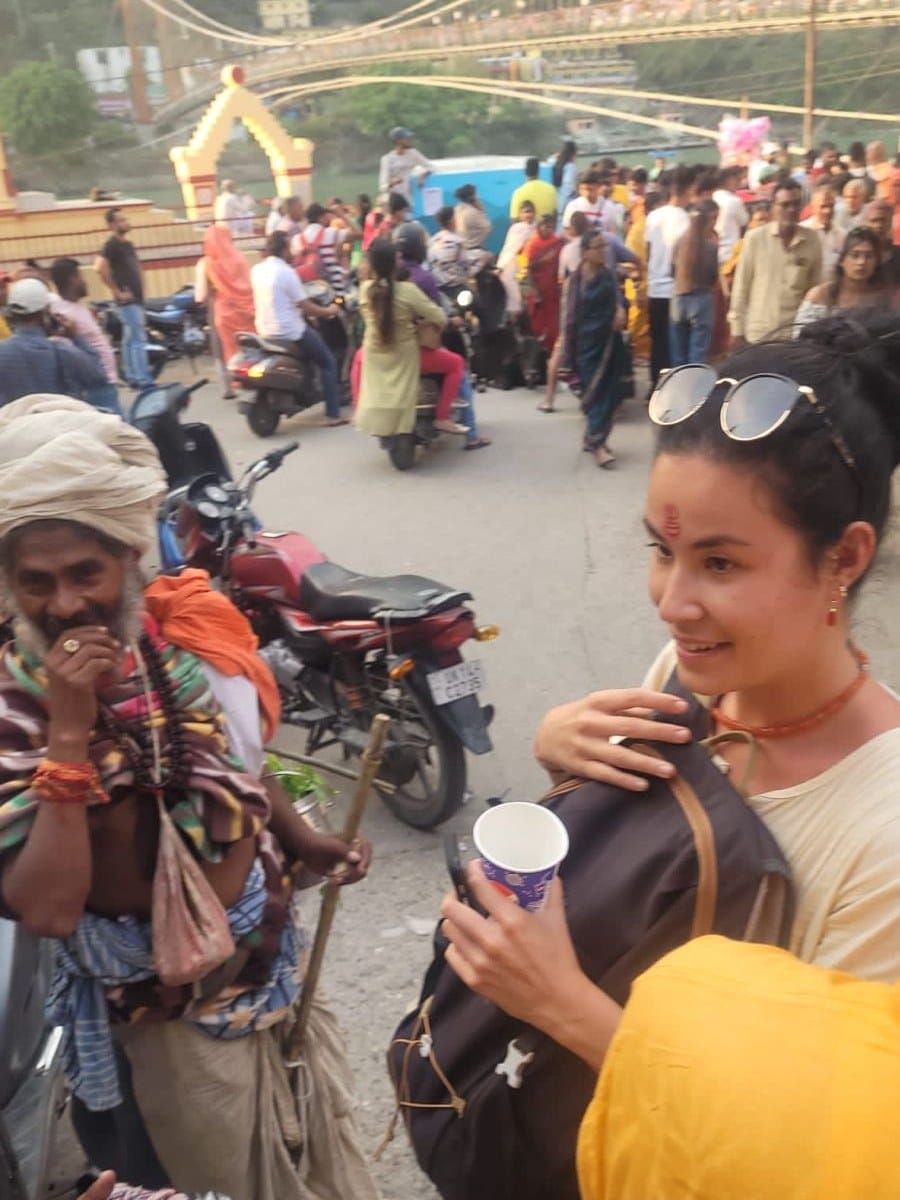
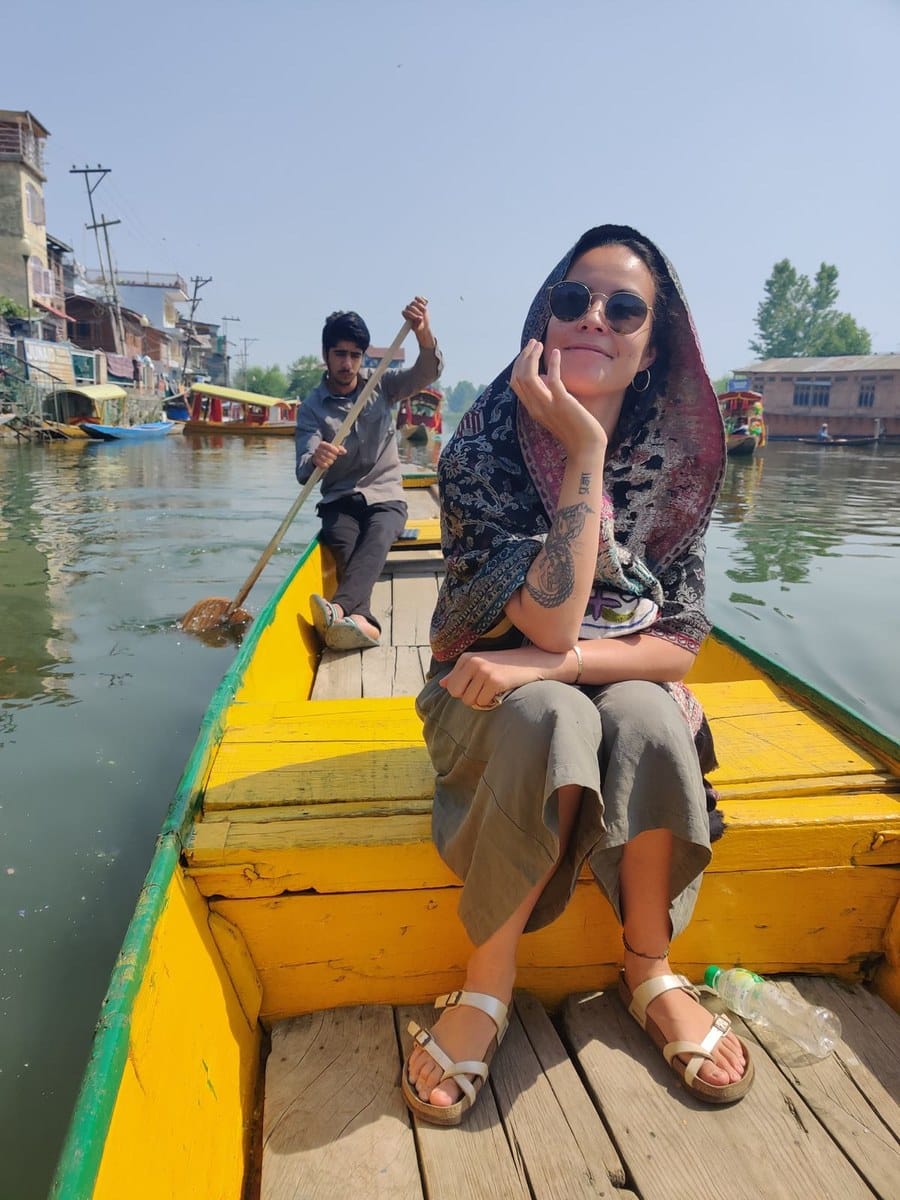
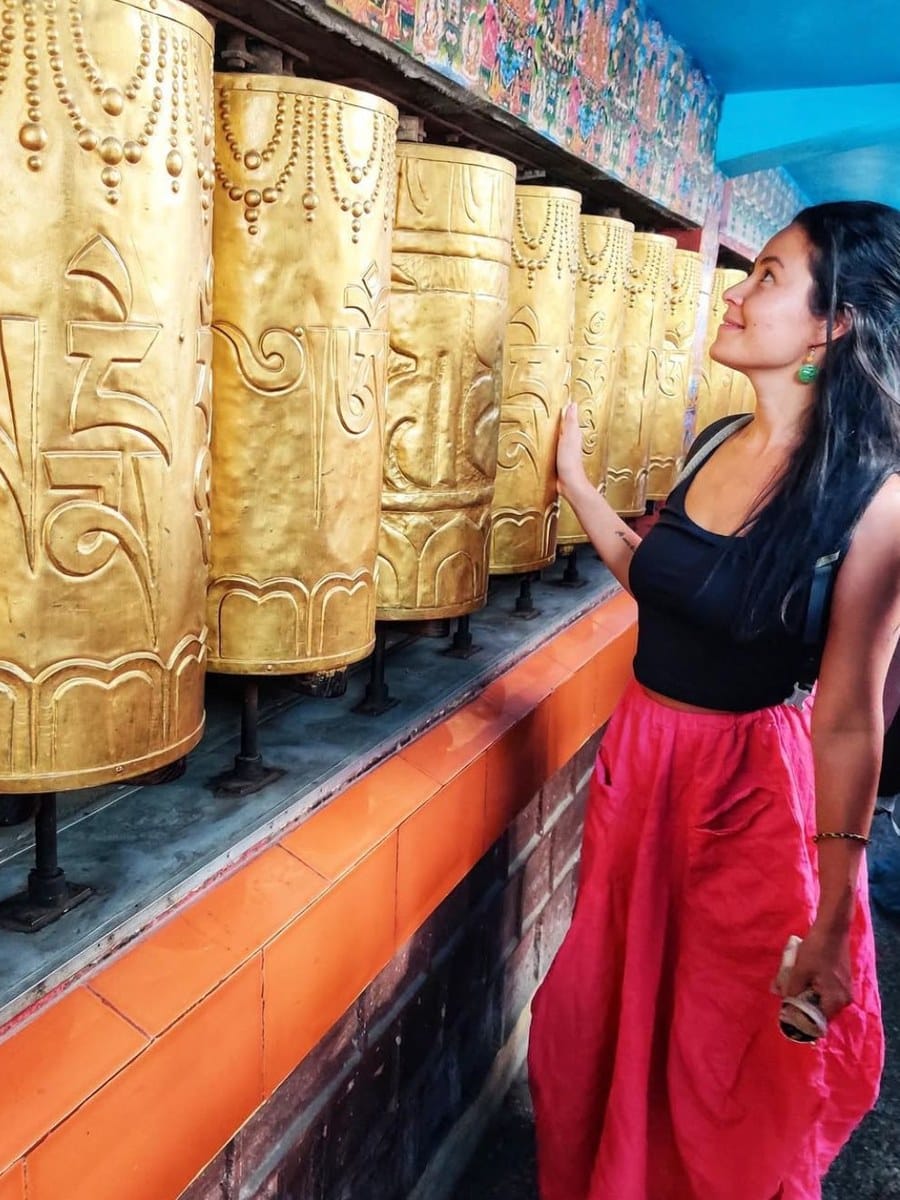
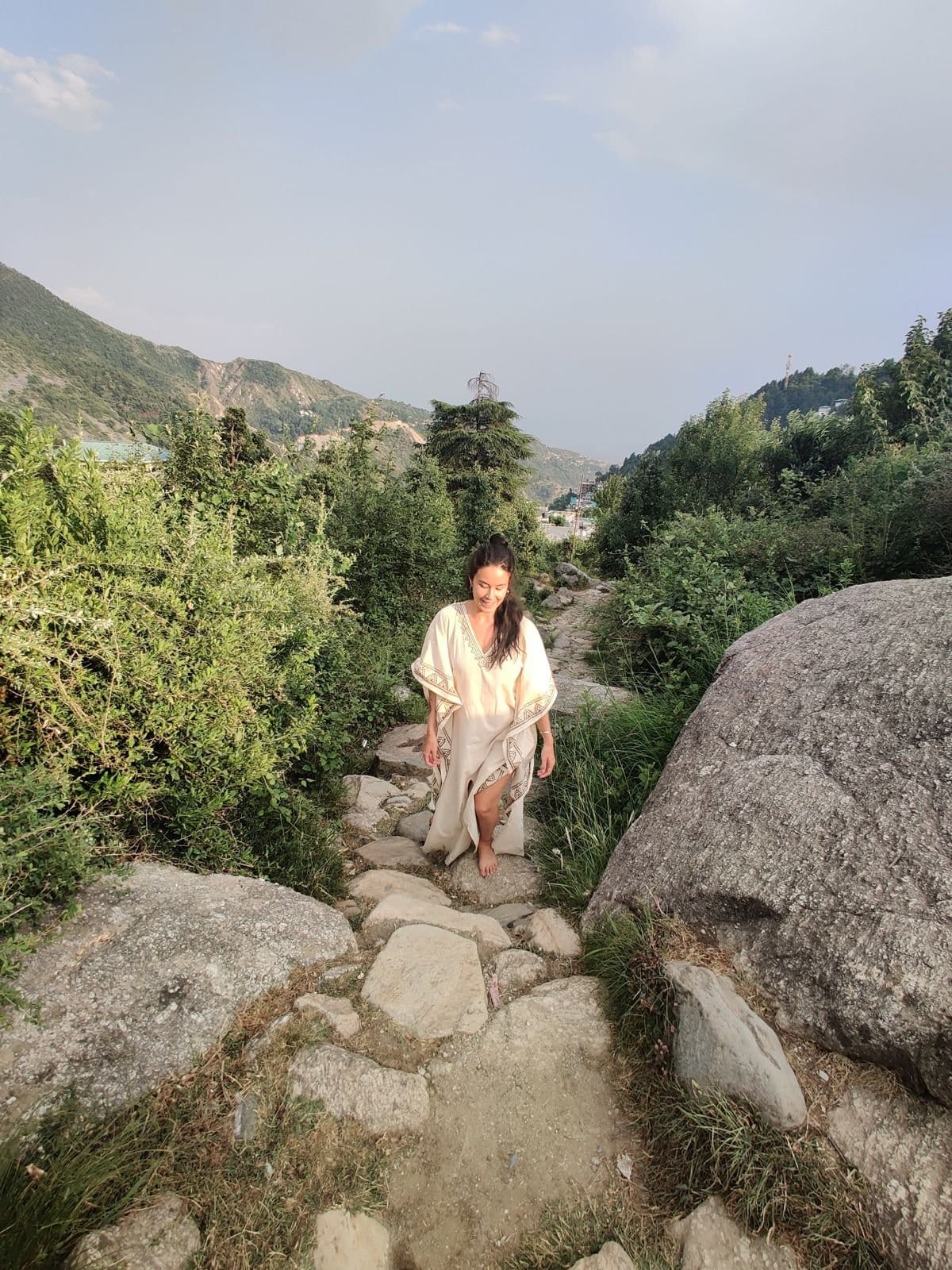
From left: Rishikesh, India; Dal Lake, Kashmir; prayer wheels at the Dalai Lama Temple, Dharamsala
Opposites
Her partner, funnily enough, is her complete opposite. He loves AI and anything new. “We respect each other,” she said, smiling. “I help him reconnect to what’s important, and he nourishes me too.”
She sees the same pull in the wider world: technology moving faster than ever, and more and more people wanting to slow down. Her advice is simple. Watch less news. “It’s not even natural to know what’s happening on the other side of the world. In a small community, you only knew what was going on around you.”
No map
Laurène is 30 now, and she is the first to say she hasn’t got it all figured out. She would love to study acupuncture. She would love to build a community for women. She already holds cacao ceremonies at full moon, a ritual she learned from women in Mexico. Together they share raw cacao, sing and reconnect with their bodies.
She doesn’t believe life hands us a meaning. “That’s why it’s so important to create our own purpose.”
And the Amazon? She has no idea what it will bring. “I don’t know what’s waiting for me there.”
In a few days the bags will be zipped.
All images courtesy of Laurène Kahn