As an art historian, I am generally very much at home in art museums, but I know that’s not the case for everyone. People often tell me that they feel intimidated and overwhelmed in museums, usually because they don’t know where to start in thinking about what they see there. However, having thoughtful interactions with art is not nearly as complicated as you might imagine, even if you don’t have any knowledge to draw from. Here is a simple approach you can use during your next museum visit.
Look Closely
The best way to start a meaningful art-viewing experience is to take your time looking at it closely. You can’t expect to absorb even a fraction of an artwork’s complexities at a brief glance, so a bit of sustained attention is necessary. Although no amount of observation alone will give you all the insights, it is a key starting point - not to mention one that doesn’t require any special skills or knowledge.
There are too many artworks in even the smallest museum to give all of them meaningful consideration, but when you find one that piques your interest, try staying with it for a while. See what new things you notice the longer you look. Keep in mind that you’re not trying to accomplish anything specific or looking for anything in particular. You’re simply getting acquainted with an artwork and seeing what it has to offer.
Figure Out How It Makes You Feel
Art’s capacity to inspire deep feelings is a big part of its enduring appeal. That’s why thinking about your personal reaction to an artwork is a natural way to engage with it.
After you’ve spent a bit of time observing a work of art that interests you, simply ask yourself how it makes you feel. Consider anything that comes to mind. Here are some prompts to get you started:
● What attracted you to this artwork? Why did you choose to spend time with it instead of another piece?
● What emotions does this artwork inspire in you? Try to go beyond basics like happiness and sadness to also consider more complex feelings like nostalgia, anticipation, calmness, anxiety, assurance, discomfort, and awe.
● What overall mood or tone does the artwork convey?
● What thoughts and memories does it bring up for you?
● What physical feelings does it suggest? Categories to consider include temperature, texture, speed, balance/imbalance, and sound.
Ask Yourself Why
Once you have an idea of what the artwork brings up for you, see if you can figure out how it inspires those reactions. The most obvious place to start would be the subject matter (what’s depicted within the work). For example, a painting of a beautiful garden might evoke feelings of tranquillity or memories of summer, while a giant sculpture of a monster could easily inspire awe or terror.
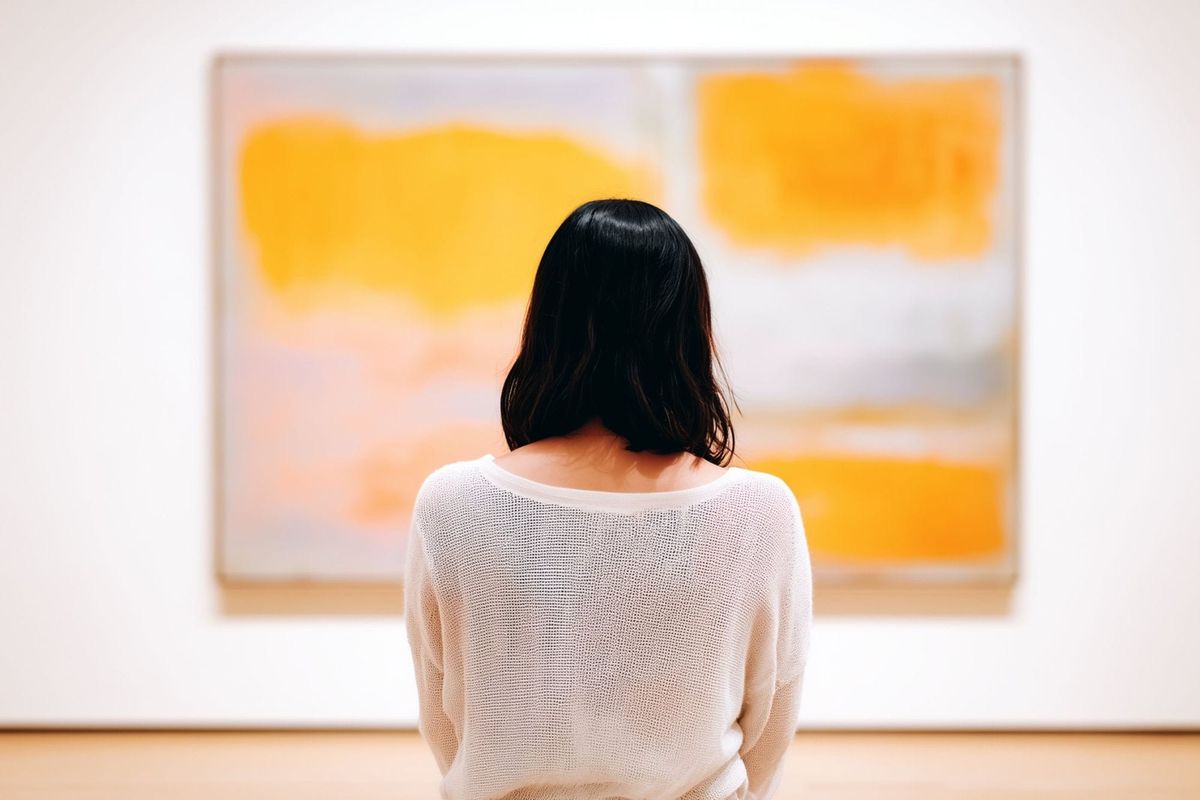
This is only the first layer, though, and not necessarily the most important one. It can be even more interesting to consider how other aspects of an artwork’s appearance contribute to your reactions. This is your only option if the artwork is abstract, but it’s equally appropriate for art with recognisable subject matter. For example, think about:
● The colours in the artwork and the relationships between them, like contrasts, light and shadow, colour harmony, or clashing. Colours are particularly powerful in evoking moods, atmospheres, and emotions.
● The lines, marks, patterns, and textures in the artwork. Think about their characteristics like length, thickness, direction, and shape, which can convey energy, movement, complexity, and more.
● The juxtapositions of elements (shapes, forms, colours, patterns, textures, etc.) within the piece. The ways in which everything is put together and distributed throughout an artwork can have a major impact on its overall emotional and psychological tone.
● The artwork’s size and shape and how it relates to you physically.
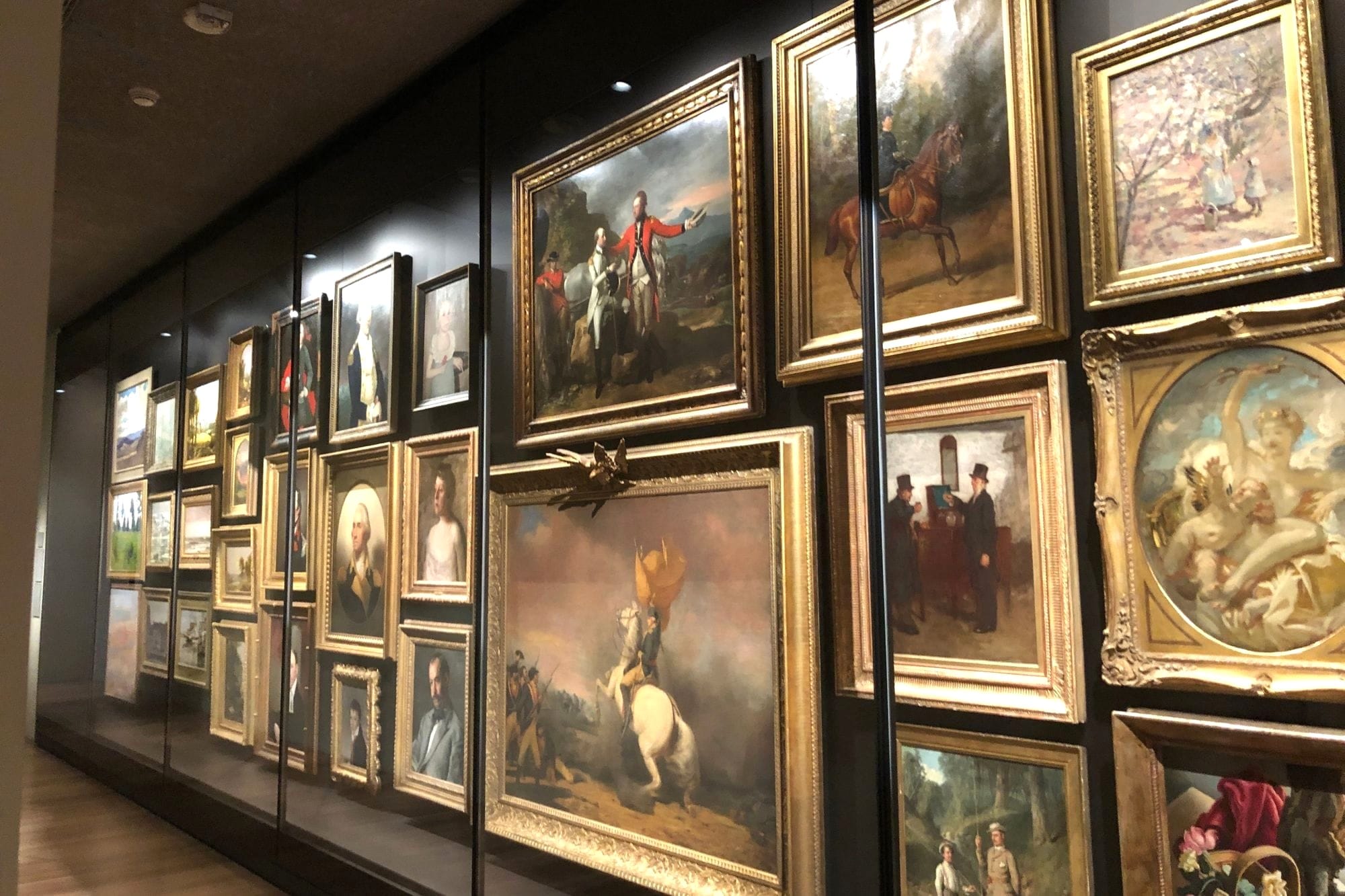
Use the Information Available
Most museums provide information through wall texts, guided tours, and digital content. All of this can add greatly to your experience, but don’t be dependent on it. If you take a guided tour, leave time to explore on your own as well. Similarly, try to use the wall texts to guide your viewing, not as a substitute for viewing. Trust me, it’s easy, yet ultimately unsatisfying, to focus more on what the texts say than on what the artwork actually looks like.
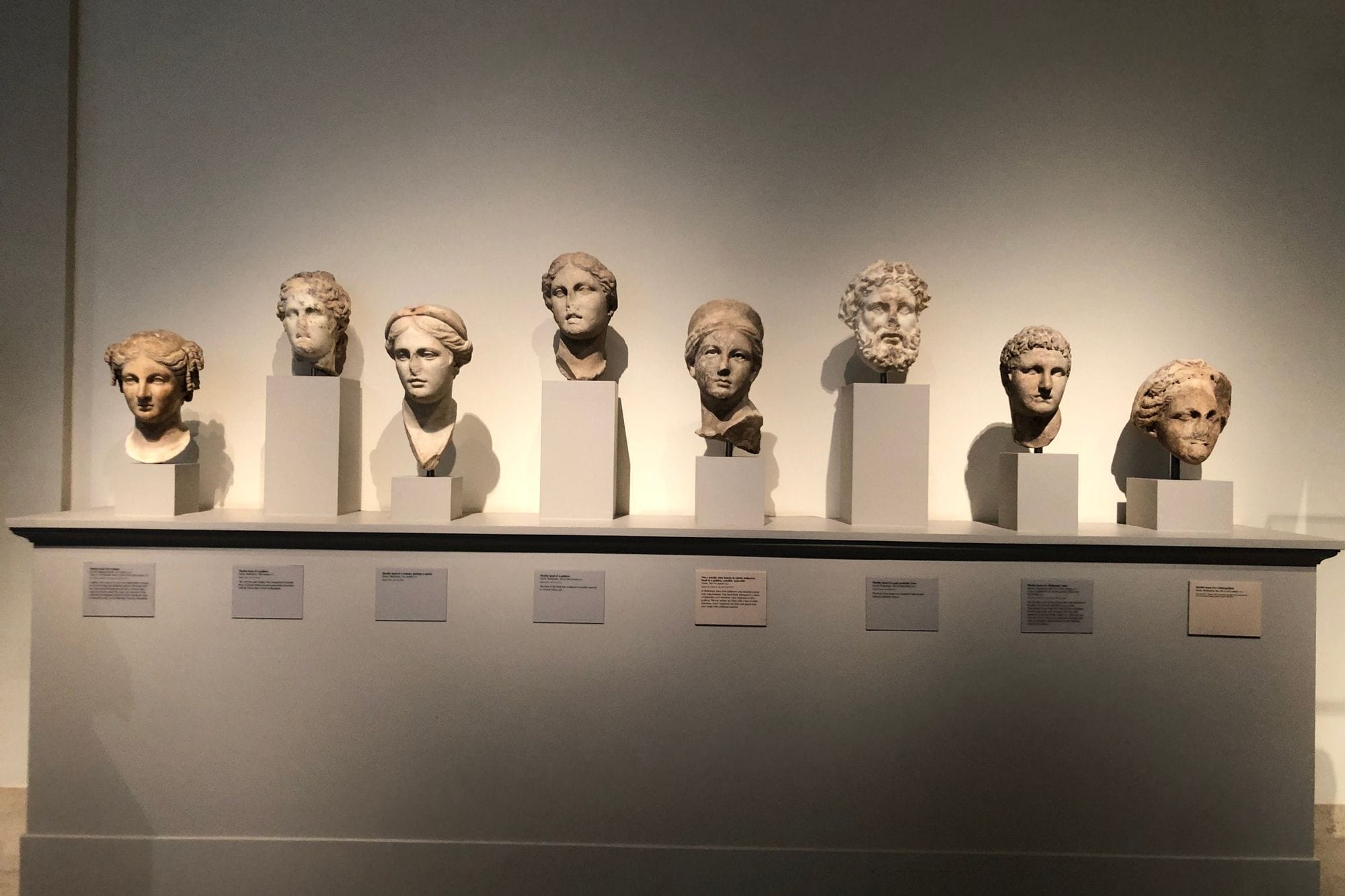
If visiting a museum still sounds intimidating, it can be helpful to liberate yourself from the idea that you’re supposed to know specific things or arrive at a single “correct” interpretation. Instead, remember that everyone’s reaction to art is equally valid (yes, I mean it!), and that a museum visit merely needs to be enjoyable and illuminating in order to be successful.
The advice in this article is adapted from The Art Museum Insider: Feel Confident with Art. This ebook guides inexperienced art viewers to have meaningful and intelligent experiences with art through art historian-inspired thinking skills, core building blocks of art, interpretation techniques, and ideas for engaging with art in museums.
All photographs courtesy of Alexandra Kiely.