Certain arguments keep resurfacing in the debate about artificial intelligence: AI is going to make us stupid. When we no longer need to write our own texts, search for information, solve problems or use our imagination in the way we once did, we will lose the ability to think for ourselves. We risk becoming passive recipients rather than active participants in our own thinking.
The concern is perhaps understandable. But it is hardly new. Throughout history we have developed new tools that have changed the way we think, work, communicate and create. And almost every time, there has been anxiety about what we might lose along the way.
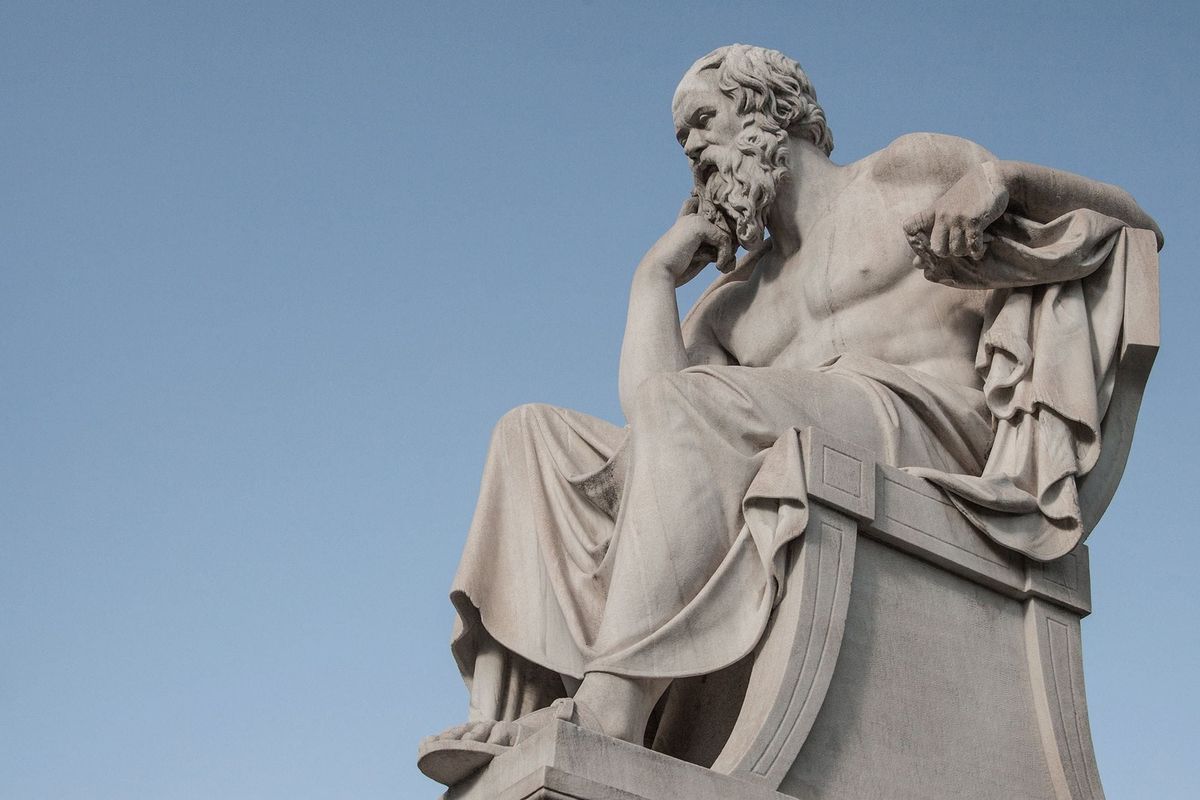
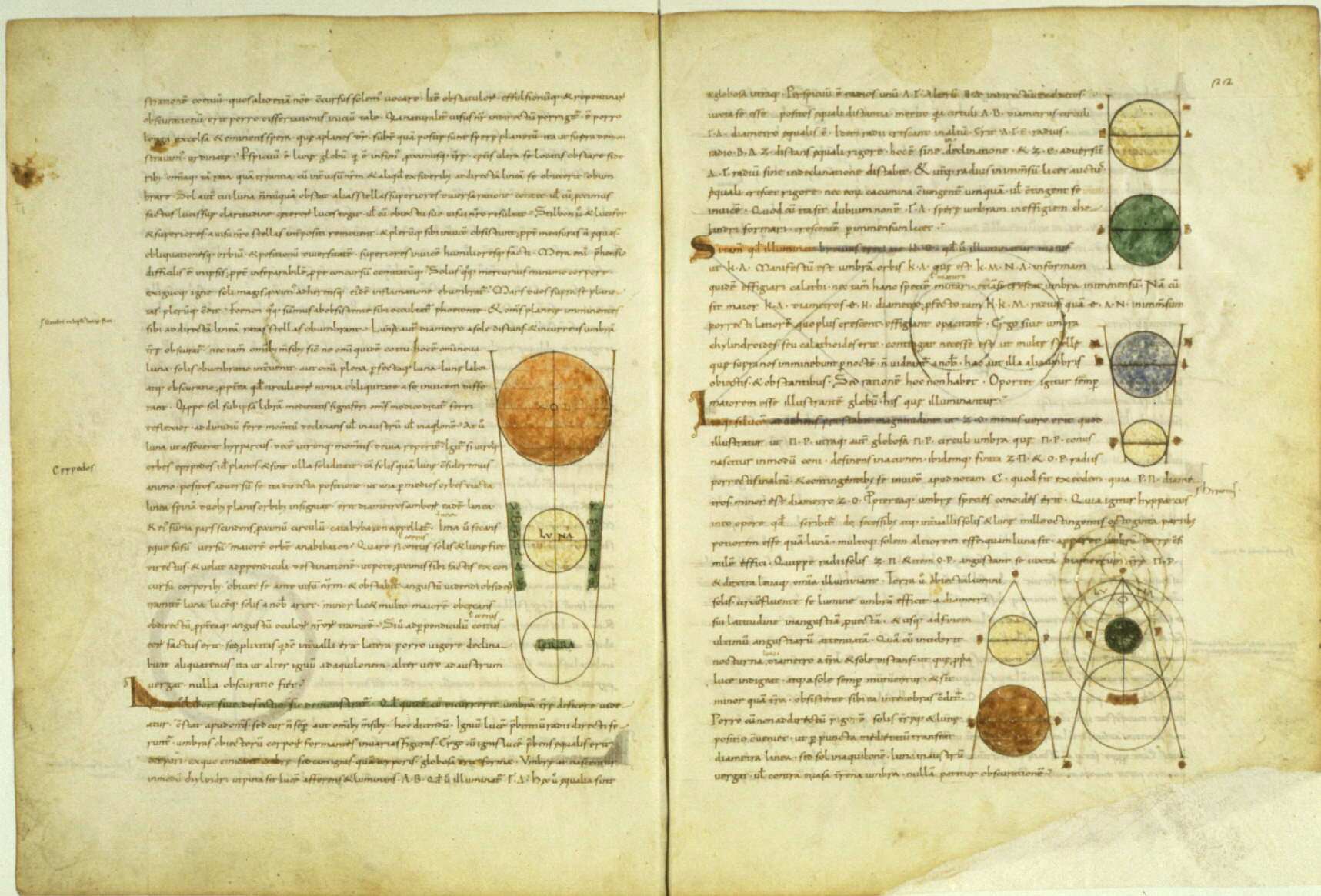
One could take this all the way back to the time of Socrates. As writing began to gain importance in ancient Greece, he voiced concern about what it would do to human memory, to knowledge and to our capacity for independent thought. He is said to have been sceptical of putting things down in writing. Writing, he supposedly believed, would weaken the memory and make us foolish. Admittedly, this is a simplification of his view. In Plato's dialogue Phaedrus, where Socrates makes the point through a myth about the Egyptian king Thamus, the real issue is the difference between information and genuine understanding. When knowledge can be retrieved from written texts, we risk no longer training our own memory. There is, of course, an interesting irony here. We know of Socrates' scepticism towards writing precisely because Plato wrote it down. And where would humanity be had we heeded that concern and restricted the use of writing? Writing made it possible to preserve and build on knowledge across generations, cultures and distances. Later came the printing press, photography and the computer. None of these technologies arrived without resistance.
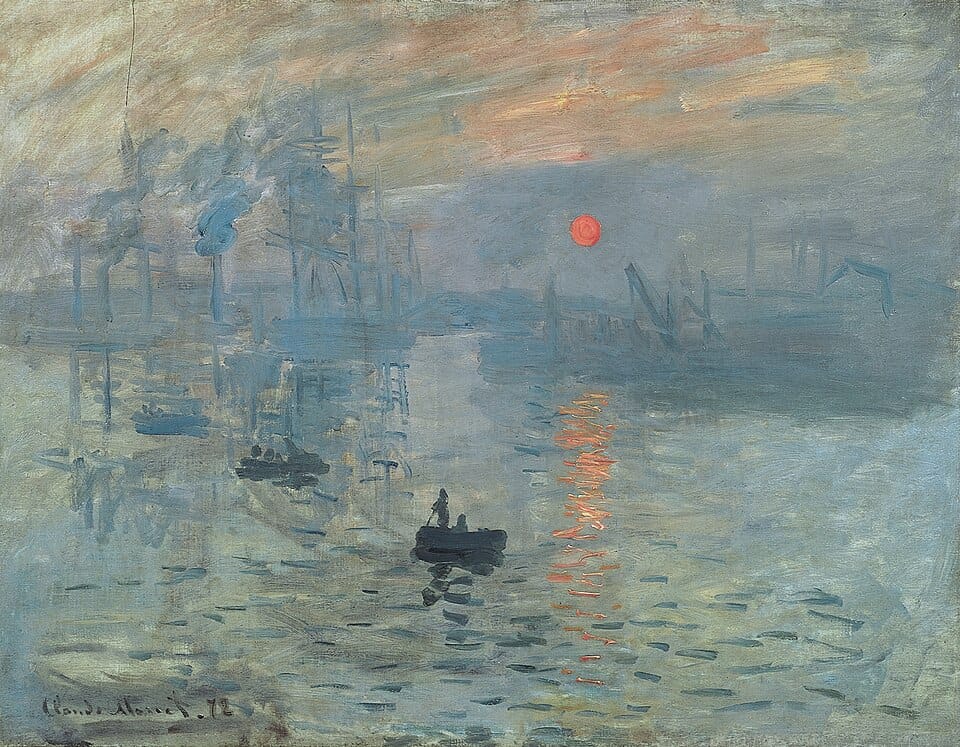
When photography was introduced in the nineteenth century, some feared that painting would lose its significance. Why spend hours, days or weeks depicting reality when a camera could do it in an instant? But photography did not kill painting. If anything, it helped change the direction painting took. Artists gained greater freedom to explore forms of expression that were not necessarily about reproducing reality as faithfully as possible.
The technology, then, did not simply replace an existing practice. It also helped open up new artistic possibilities. We did not stop writing when word processors let us move, delete and rewrite entire paragraphs with a few keystrokes. But the way we worked changed. And perhaps that is exactly where the discussion about artificial intelligence ought to begin.
Of course, not every technological development automatically makes us wiser. Technology can also cause skills to weaken when we stop using them. If you always rely on GPS, you may become worse at finding your way without it. Someone who always reaches for a calculator may lose some of their facility with mental arithmetic. And someone who lets AI put all their thoughts into words may miss out on the intellectual growth that comes from trying to do so themselves.
But there is a difference between losing a particular skill and becoming less intelligent. The fact that we no longer need to memorise large amounts of information does not necessarily mean we have lost the ability to understand it. Nor does using digital tools for certain tasks mean we have stopped thinking. The question is rather what we do with the capacity that is freed up. If artificial intelligence takes over routine tasks and gives us more time for reflection, problem-solving and creative exploration, the technology can act as an intellectual amplifier. But if we hand the questions, the judgements and the conclusions over to the machine, we risk reducing our own part in the thinking process.
What matters, in other words, is not only what the technology can do, but how we choose to use it.
In art and the creative disciplines, this becomes particularly clear. An artist who uses artificial intelligence may be told that they are not really creating anything themselves: that the technology does the work, and the human is reduced to someone passively placing an order. But artistic practice is not solely about technical execution. It is also about developing ideas, conceptualisation, aesthetic judgement, experimentation, selection, refinement and the ability to communicate something meaningful.
A photographer is no less creative because the camera does the optical recording. A musician is no less creative for using synthesisers, samplers or digital production tools. And a writer does not necessarily lose their own voice because a word processor suggests an alternative phrasing. As I see it, it is questionable to make the tool itself the deciding criterion for whether something has artistic value. What is interesting is what the human being brings to the process.
Artificial intelligence can challenge us intellectually rather than make us passive. We can use it to explore counter-arguments, examine alternative perspectives, ask questions we would never otherwise have thought of, and discover connections between disciplines.
A writer can use AI as a critical sparring partner. An artist can experiment with forms of expression that would once have been technically out of reach. A student can ask to have a difficult mathematical principle explained in five different ways until it finally clicks. In cases like these, the technology does not necessarily replace thinking. It may even stimulate it. But this depends on the user being active, critical and curious. AI can give convincing answers that are wrong, incomplete or misleading. That is why the ability to evaluate sources, exercise independent judgement and draw on real subject knowledge becomes not less important, but perhaps more so.
And here we meet Socrates again. His philosophical method was all about asking questions, challenging assumptions and examining what we actually know. Perhaps he would have been sceptical of artificial intelligence. But it is not inconceivable that he would have been fascinated by the chance to use the technology as a starting point for ever new questions. That, of course, is speculation. Even so, it illustrates an important point: a technology that gives us answers need not bring our thinking to an end. It can also be where it begins.
When we debate whether AI will make us stupid, perhaps we should first ask what we mean by intelligence. Is intelligence the ability to remember as many facts as possible? To calculate the fastest? To write without any aids? Or is it also about understanding connections, thinking critically, exercising judgement and finding new solutions?
That a technology makes something easier does not automatically mean it makes us weaker. Some skills may be used less, while others become more important. The real test is whether we continue to develop the ability to understand, evaluate, create and think for ourselves.
Perhaps future generations will look back on the anxieties of our time with the same bemusement we might feel towards the scepticism about writing. But that does not mean we should dismiss the concerns. On the contrary, we should look closely at how the technology affects learning, concentration, memory and creativity, and be willing to adjust how we use it if we find negative consequences.
There is no law of nature that says technological development always means progress. It also depends on the values, priorities and choices that guide that development. The tool does not tell us the whole story about the person using it.
Socrates feared that writing would weaken our ability to think for ourselves. Today, it is precisely through the written word that we have access to his thoughts, more than 2,400 years later. That ought to give us something to reflect on.
Perhaps the greatest danger is not that artificial intelligence will make us stupid, but that we become so preoccupied with what the technology might take from us that we overlook what it can actually give.
For humanity's greatest strength has never been the ability to manage without tools, but the ability to create them, develop them and use them to go beyond our own limitations. It is not the technology itself that determines how wise we become, but what we choose to do with the possibilities it offers.